October 15 – 18, 2026
Photos courtesy of Daniyal Ibragimov
by Fabio Risolo
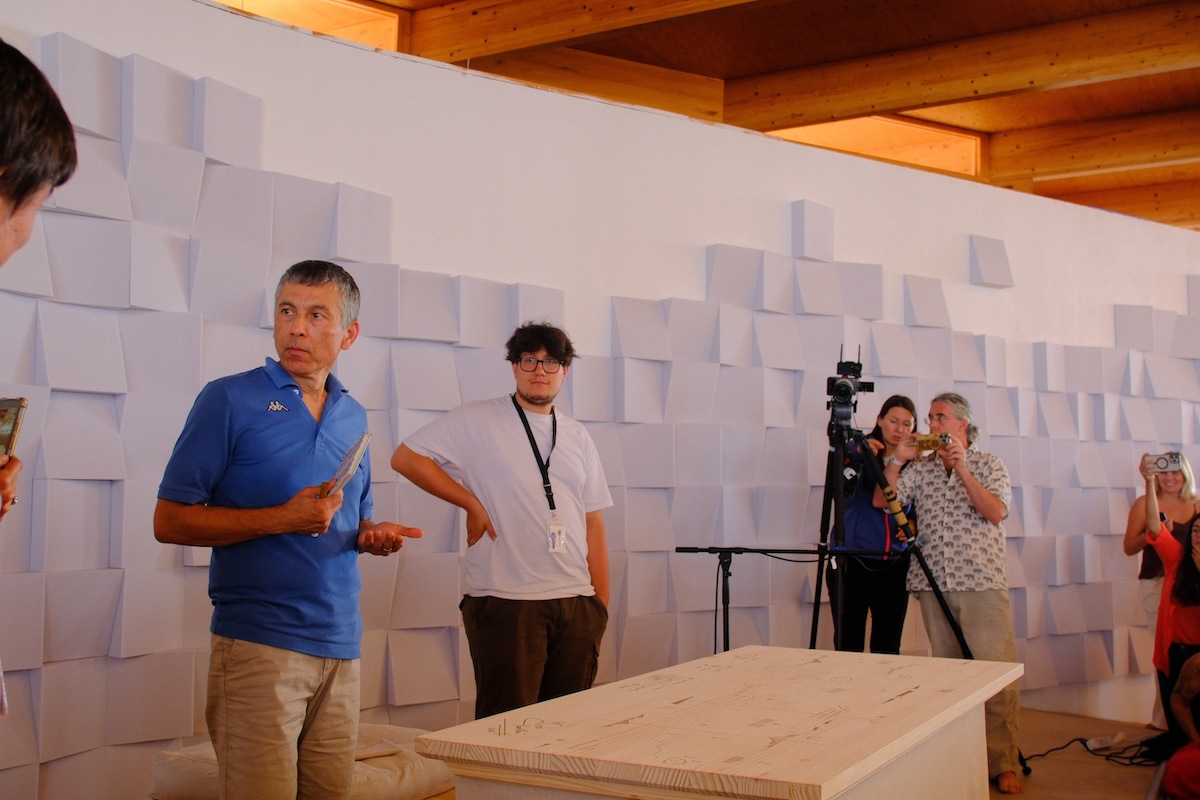
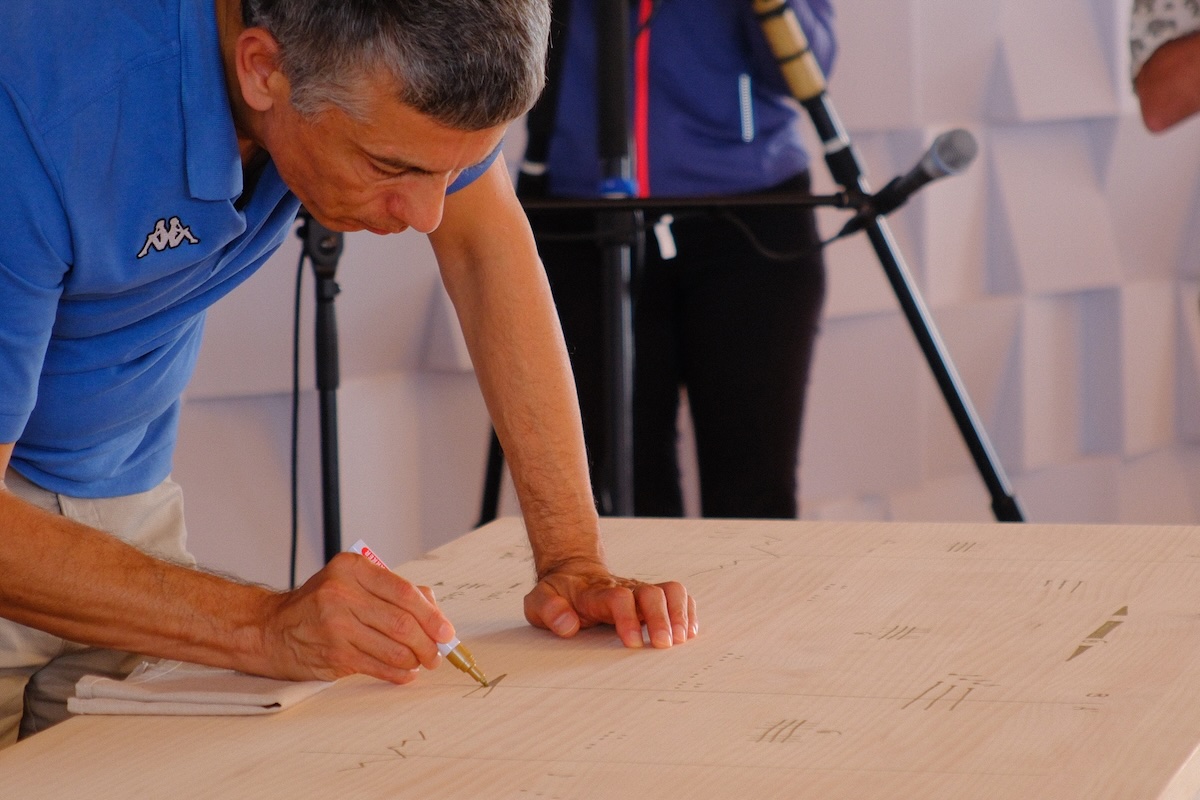
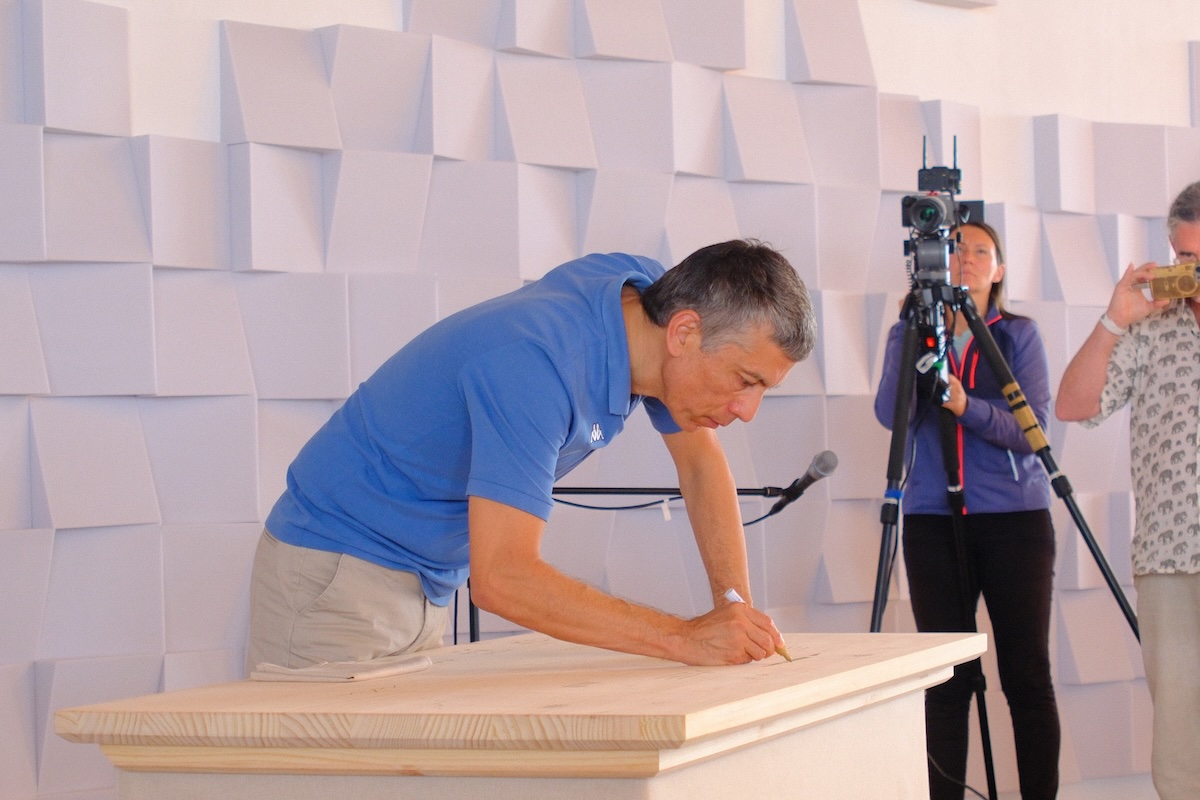
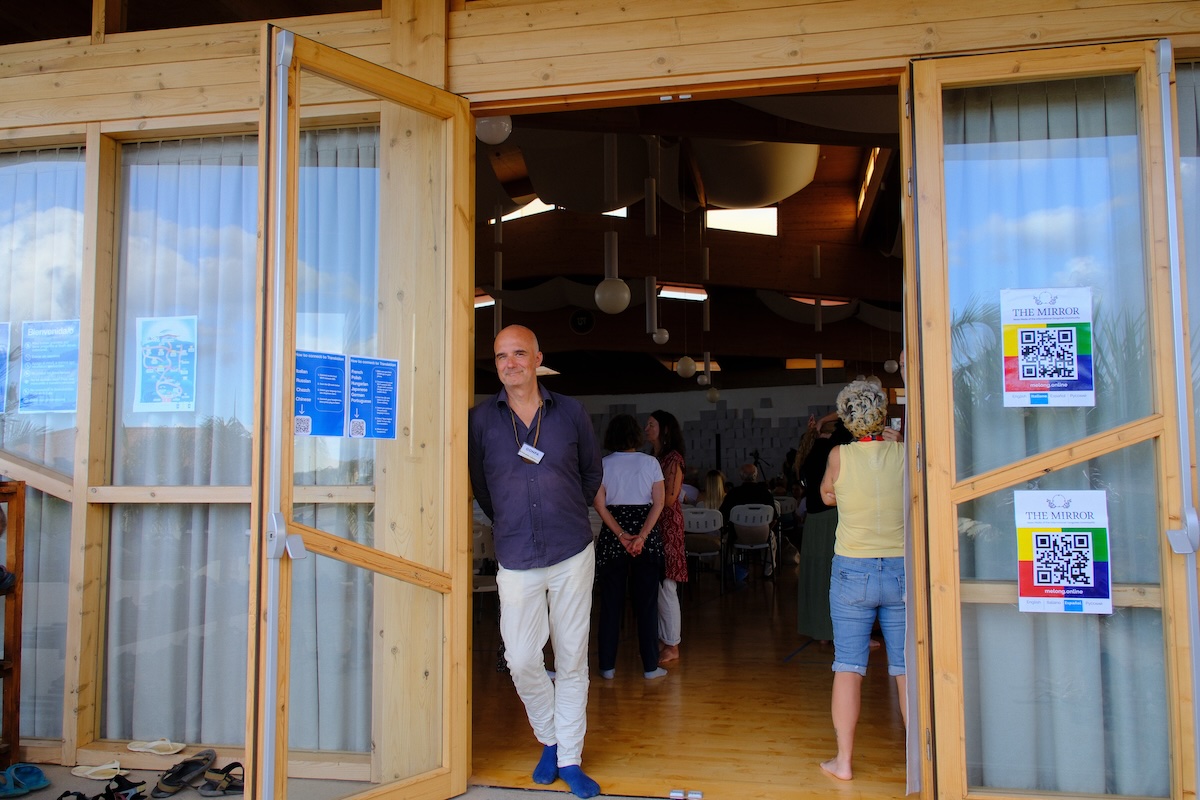
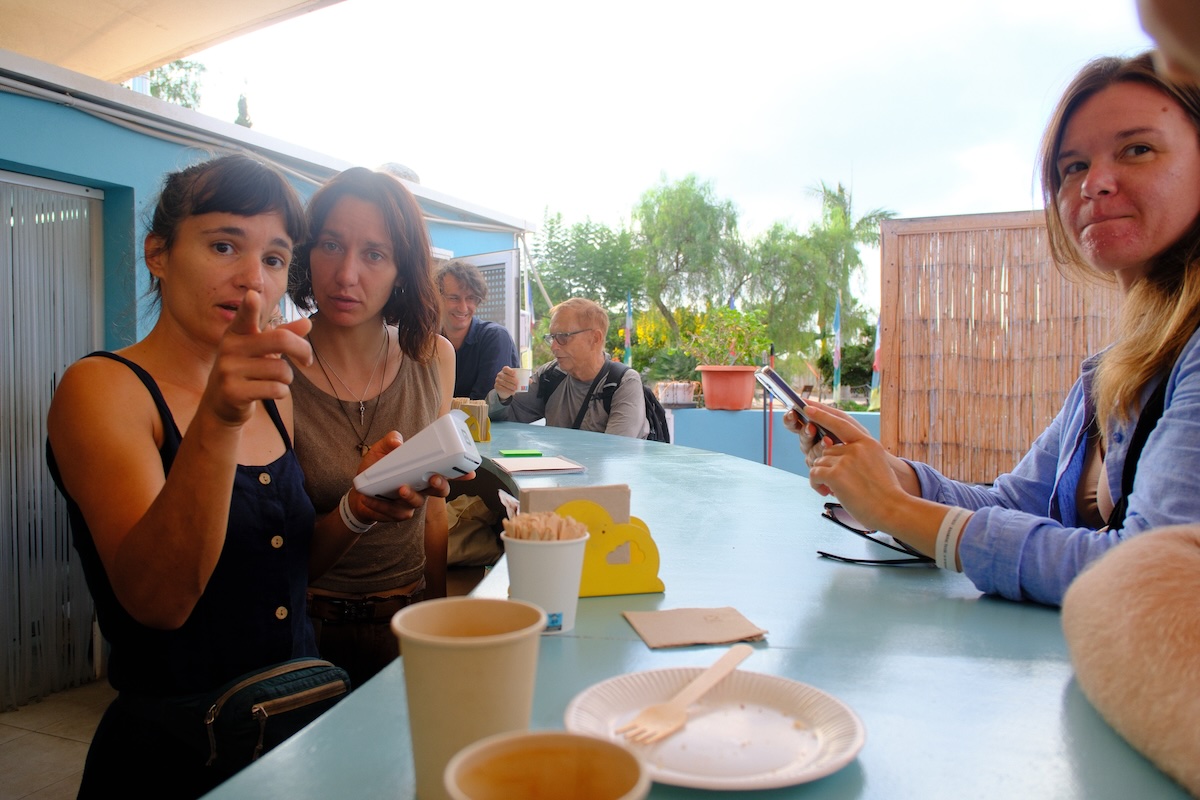
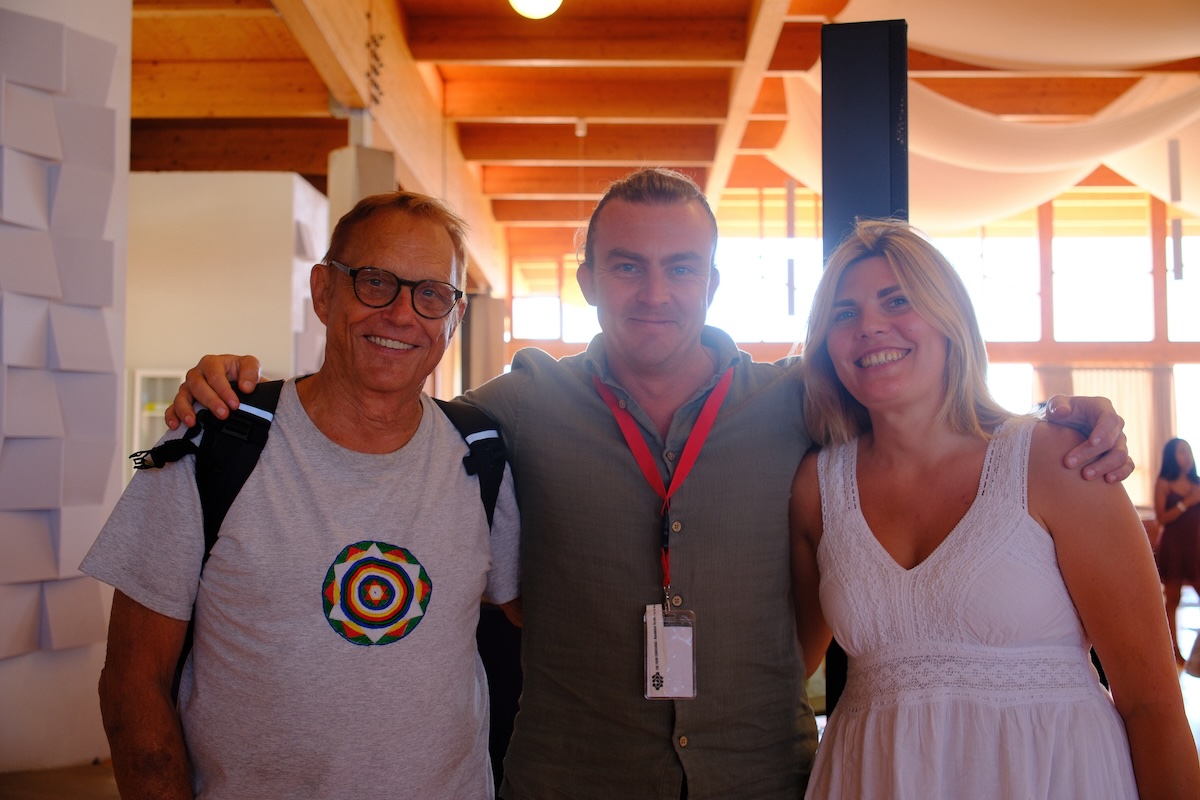
The Dzogchen Community’s Teacher, Namkhai Yeshi, held a Dzogchen teaching retreat at Dzamling Gar titled “The 4 Chogshags.”
Namkhai Yeshi explained one chogshag per day, but in reality, the entire Dzogchen teaching was introduced through illuminating references.

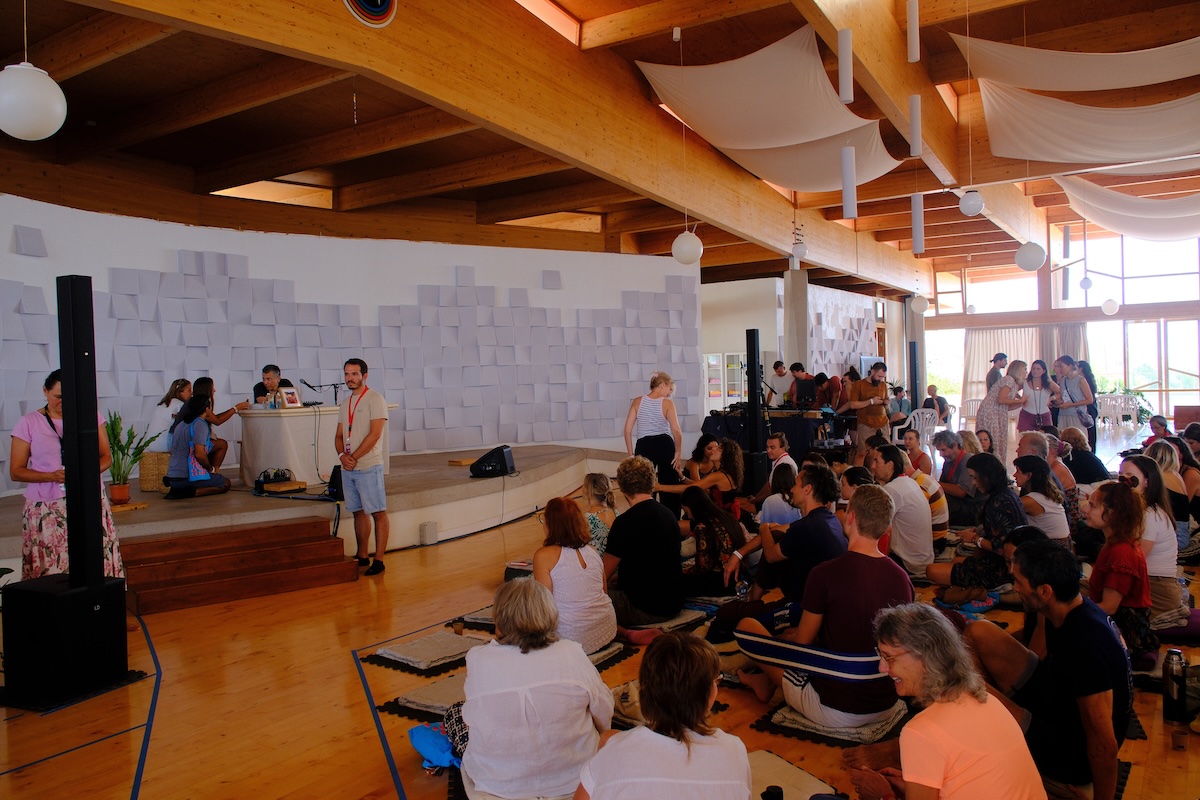
Teaching retreats are conceived, as our Master has repeatedly clarified, as “events.” We can think of an event as something that comes to life through the actual interaction between the one who transmits the teachings and the attentive, participating audience, thereby manifesting the possibility of the simultaneous presence of the Master and the disciple in direct experience, within a particular space-time—that is, in a specific place and under appropriate circumstances. An event is being here and now together, with the right circumstances present for the manifestation of what is essential. As such, the event of the Teaching is in itself complete and perfect, and above all, unique and unrepeatable. Summaries, interpretations, or further explanations of what is said or happens during the event are, in this context, meaningless—even if offered by senior practitioners or instructors. All of this may not be to our liking or may irritate our ego, which prefers to define and rationalize rather than experience the essential moments and allow them to ripen within us, but that is how it is…
All of this emerges clearly from listening to the opening remarks at the beginning of the retreat, spoken by Namkhai Yeshi, which also include clarifying reflections on the Dzogchen Community. I will limit myself to quoting a few words, mostly related to these general aspects, which can be extremely useful for all practitioners and especially for the more senior ones.
In particular, at the beginning of the first session of the retreat, Namkhai Yeshi clarified the meaning of his experiential contribution, the role of the books on the Teaching written by Chögyal Namkhai Norbu, and that of the teachers of the Community.
This is the general context, the space in which our Dzogchen Community (DC) expresses itself: the Master’s Teaching, which opens the door and, through his living experience, introduces the living possibility of awakening. Then there is individual practice through which we gain experience. The teachers can provide general information and clarify doubts, particularly for those approaching the Teaching for the first time. And then there are the books written by Chögyal Namkhai Norbu.
Here are Namkhai Yeshi’s words:
Good evening, everyone,
Today we begin a retreat on one of the most important aspects of Dzogchen. This is not intended for beginners. I will not explain the basic concepts of the Teaching; if you need explanations of them, please ask the teachers. I will explain things that are not found in the books. In fact, none of the explanations I will give can be found in books, in written form. However, I want to remind you that you can find Chögyal Namkhai Norbu’s instructions in his books. My intention is to explain exactly what it means to approach this most challenging part, which is Tregchöd—the final stage before knowledge arises spontaneously. The basic understanding I am about to give you is an experience that cannot be explained in words, written down, or understood intellectually. In that case, we would be chasing after the imaginary world created conceptually by your mind.
There is little point in transcribing what I say or taking notes. If you reread what you’ve written later, you’ll find only a few words that may ultimately seem trivial. That very triviality is the main obstacle to attaining knowledge. To avoid this lack of understanding, we need to spend a few days together so that we can have an experience that allows us to go beyond words.”