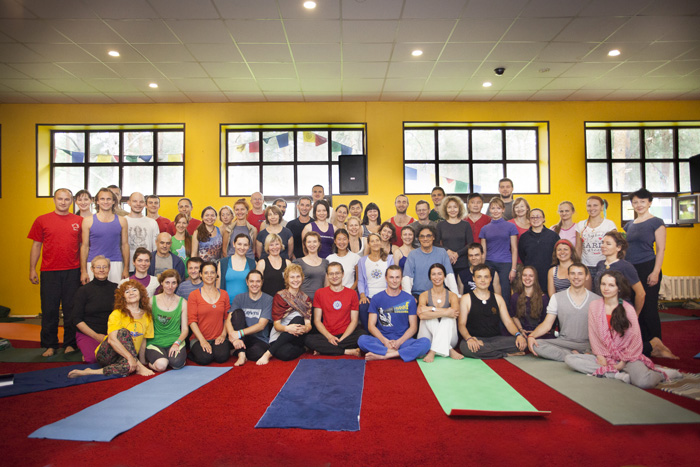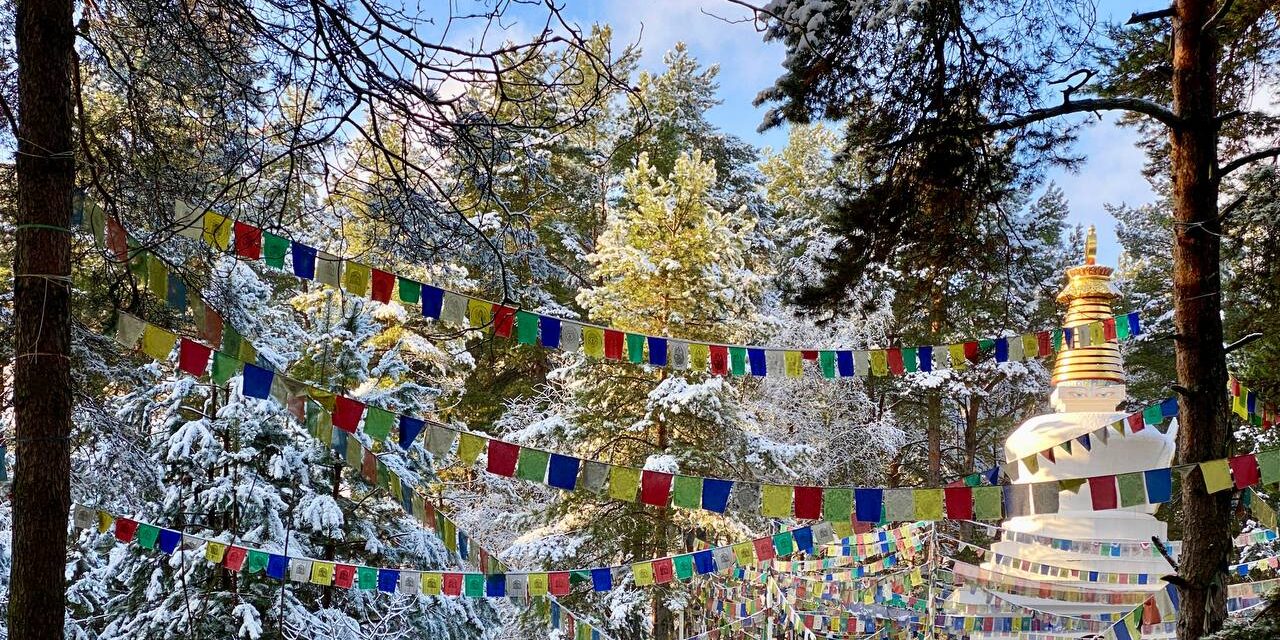
Autumn and early winter 2025 at Kunsangar North were busy. It wasn’t a series of separate events, but one continuous flow. We gathered more often for practice. We stayed for several days more often. And all this gave us a simple feeling: life in the Gar had picked up speed again.
Dance
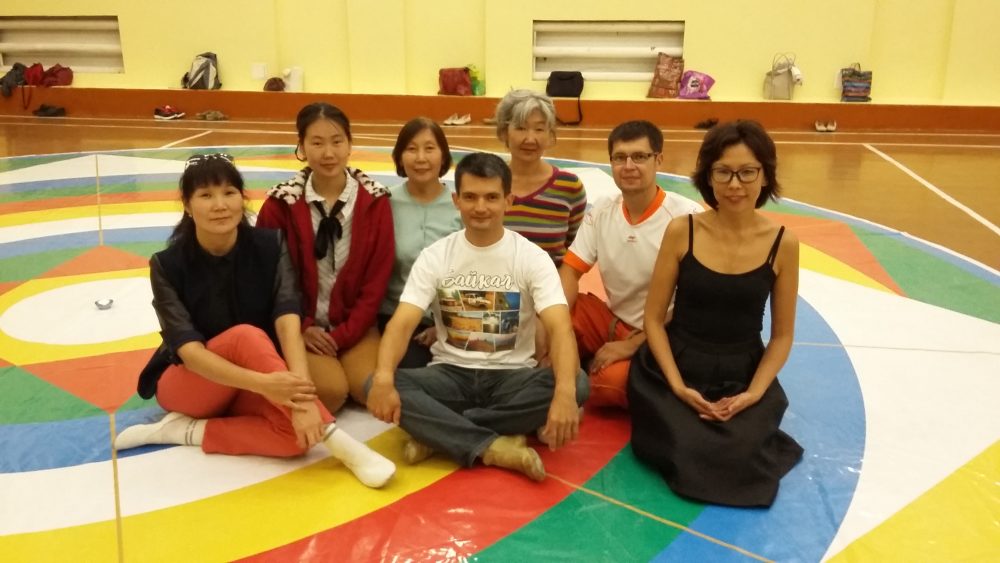
Vajra Dance became one of the main rhythms of the season. In early September (September 5–7), there was a practical corrective retreat on the Vajra Dance of the Three Vajras. And a week later (September 13–14), there was a marathon: two days in a row, from 9 a.m. to 9 p.m. This format only works for a group that knows how to be together for a long time. It is a sign of stable interest.
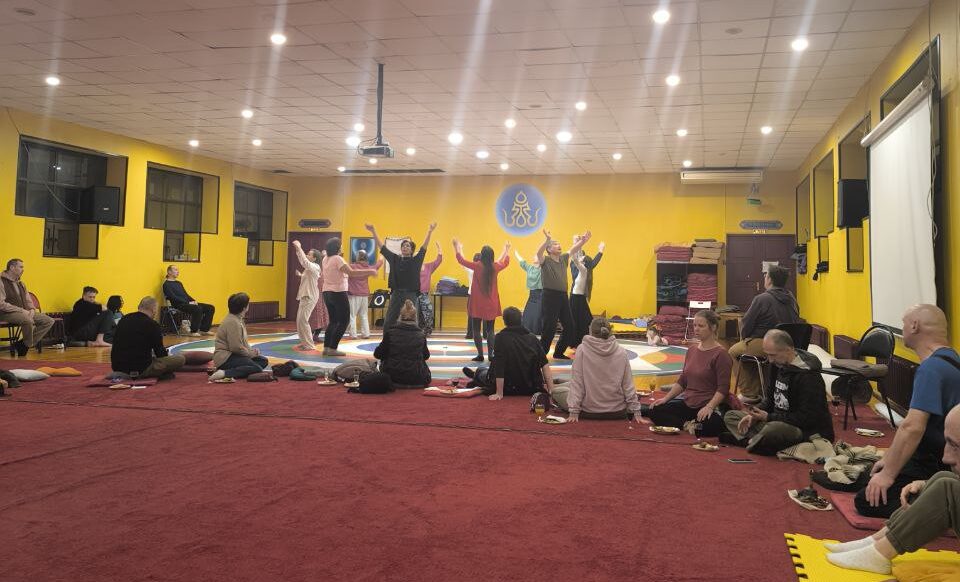
Then came new blocks of practice: retreats on Khalong in October, an in-depth course at the end of October, the December cycle, and work on the mandala with a connection to the webcast from Dzamling Gar (December 1–5).
Dance at Kunsangar North entered a steady, almost continuous rhythm.
Retreats and practice beyond Dance
Vajra Dance was bright, but not the only thing. On September 19–21, there was a retreat on Singhamukha practice. An important detail — the format was practical: the main focus was on chanting the mantra and how we used to do it together with Rinpoche. And also: practice in Rinpoche’s warm little house, and between thuns —the opportunity to continue in the Vajra Hall.
From September 26 to October 2, there was a Semde retreat based on the teachings from “The Precious Ship of Longchenpa” with three thuns a day. In a long retreat, depth comes gradually — day after day.
The practice of “The Circle of Day and Night” is a separate line at Kunsangar North. During the day, we rely on what Rinpoche recommended as the daytime part of the cycle: namka arte, mindful presence, and close methods — to recognize the natural state and get used to being in the knowledge.
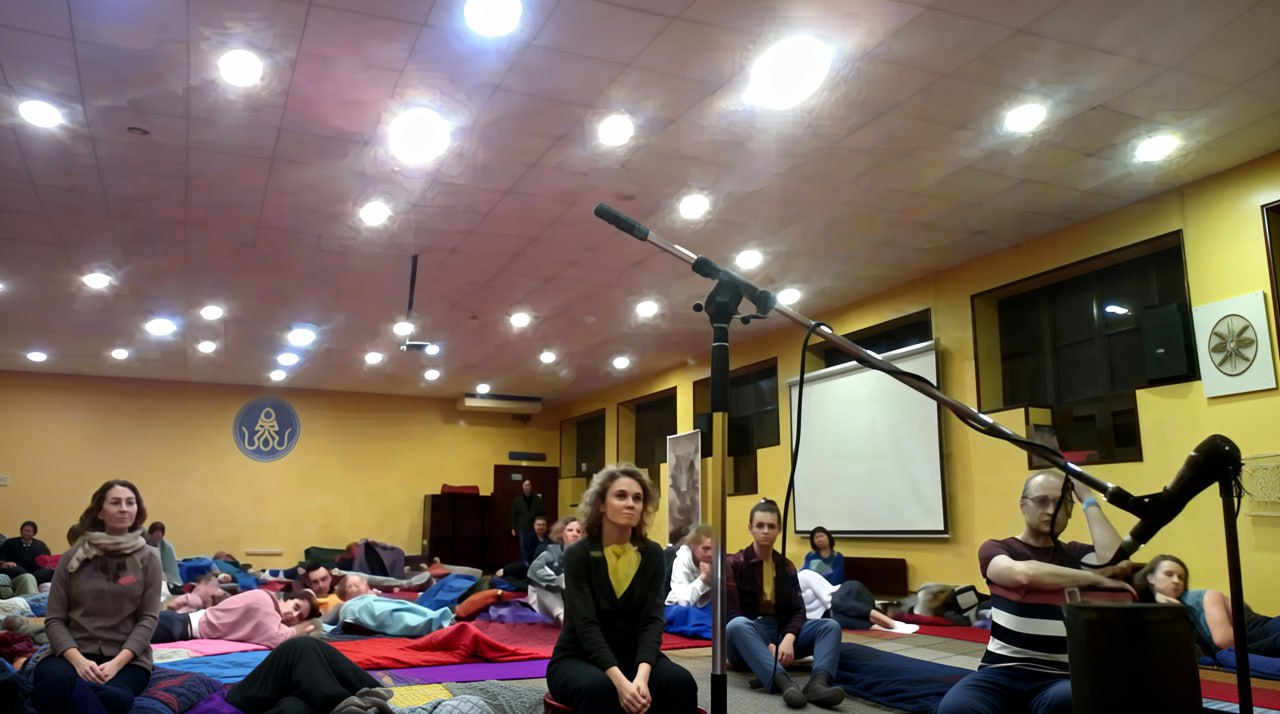
At night, we continue along the same line: we learn to combine contemplation with sleep, we work with the moment of falling asleep and lucid dreams — so the circle gradually “closes,” and the daytime practice becomes more even.
One block of practice followed another. People stayed for several days or more: they didn’t want to leave.
Rinpoche’s dates
September 27 was the anniversary of Chögyal Namkhai Norbu’s passing. This day was spent at the Gar as a day of practice: Yantra Yoga, Guruyoga with the white A along with the Dance of the Song of the Vajra, Ganapuja. And at the center of the day there was Namkhai Yeshi’s teaching “Places of the Soul,” to which we connected together with other Gars and Lings.
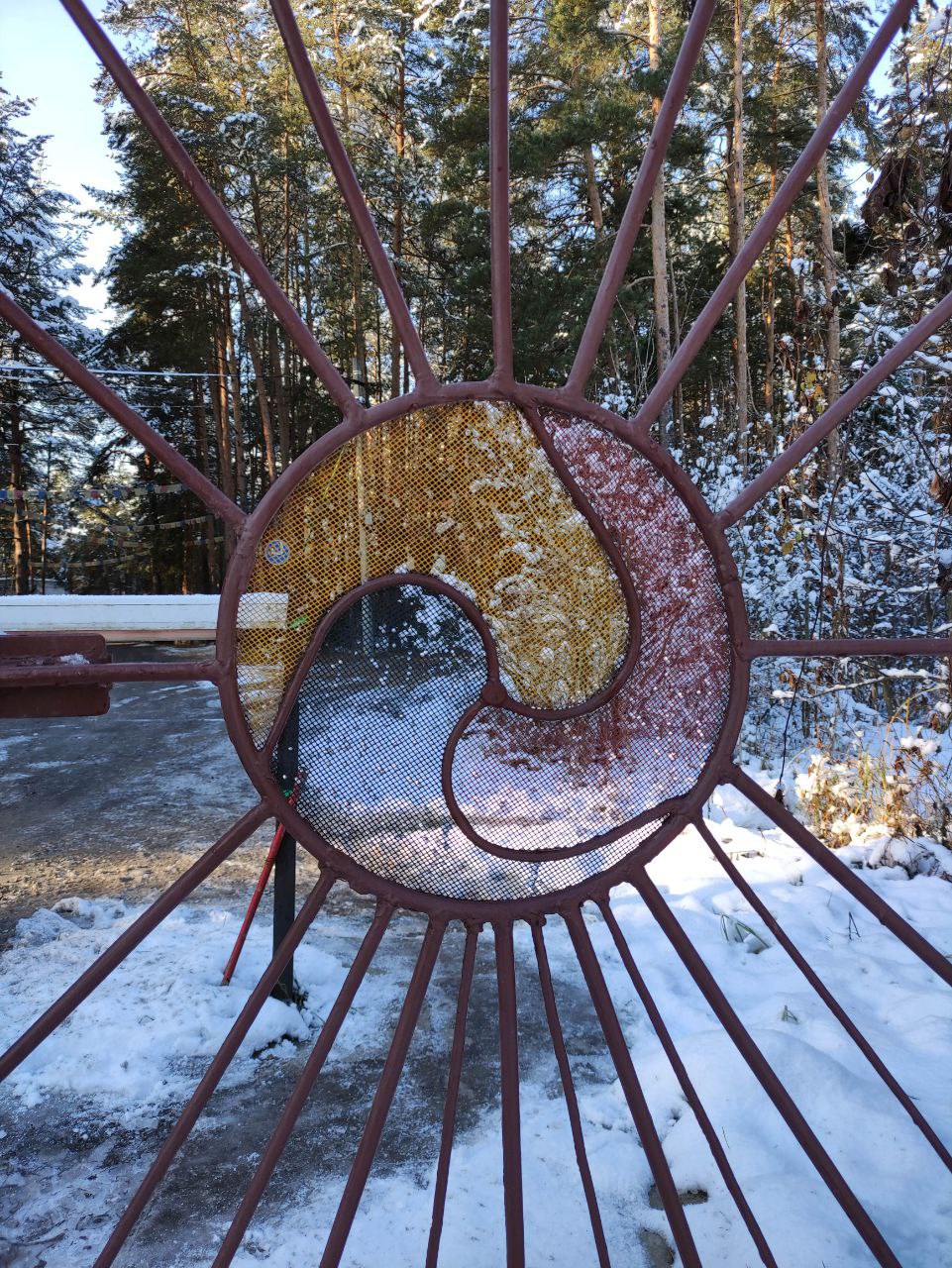
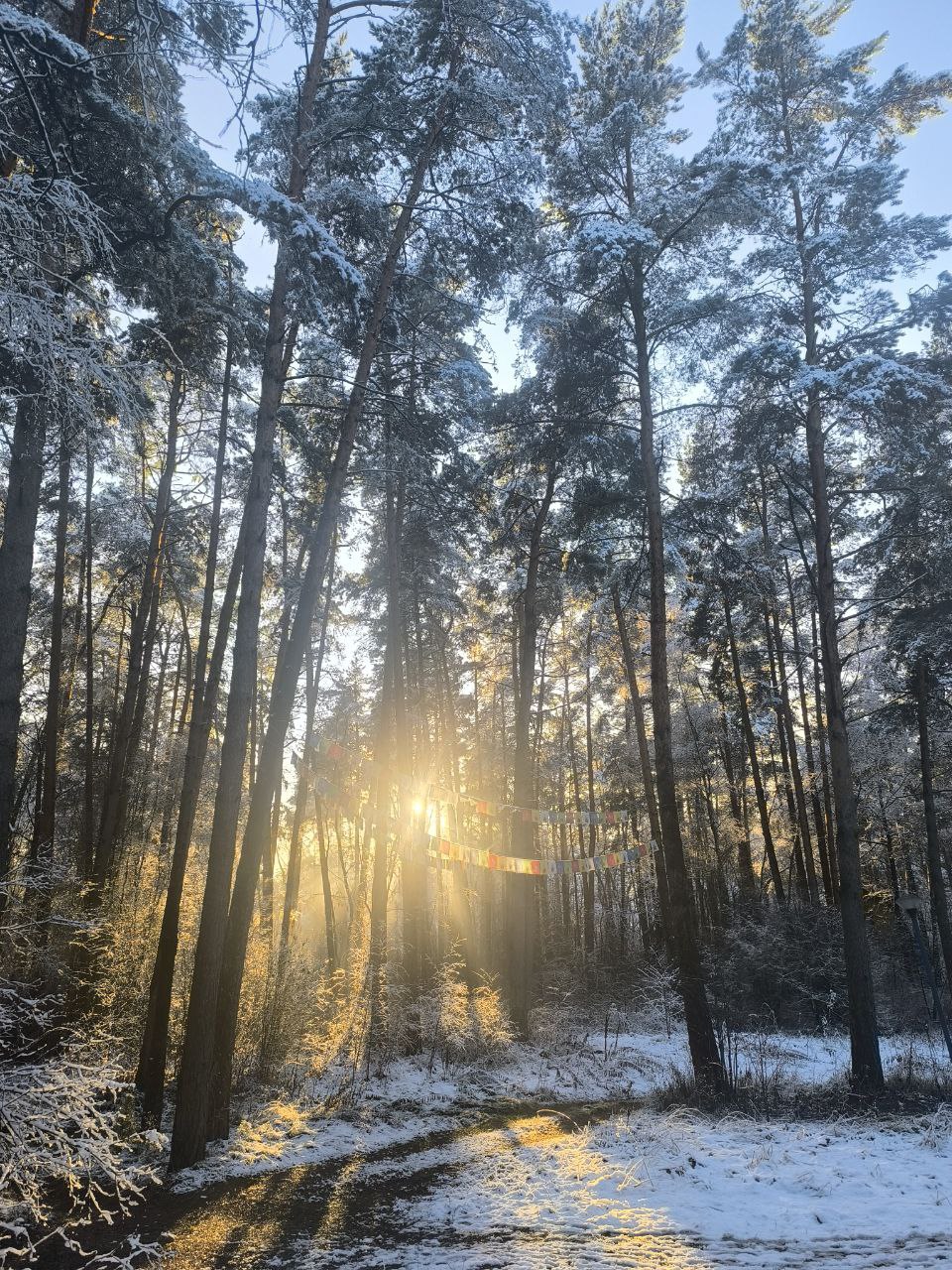
December 8 — Rinpoche’s birthday — turned out to be a day of unity. In the morning there was the Atimonlam practice by Namkhai Yeshi, then the complete Vajra Dance thun in costumes, Guruyoga. In the afternoon, it was a simple human experience: tea, food, games. In the evening, there was Ganapuja with the Dance of the Song of the Vajra and the invocation Marme Monlam via webcast. It was not a “solemn day.” It was a day that we lived together, and there was enough space for both practice and rest.
Namkhai Yeshi
It is important to say a few words about Namkhai Yeshi. There is more of him. Not in the sense of “news,” , but in the sense of his presence in the life of the Community: teachings, practices, words that reach people. It supports old practitioners because there is more clarity and direction and it helps new people because the entrance becomes easier and more alive. There is a feeling that the intensification of the dance season is also connected with this.
Connection with the international Community
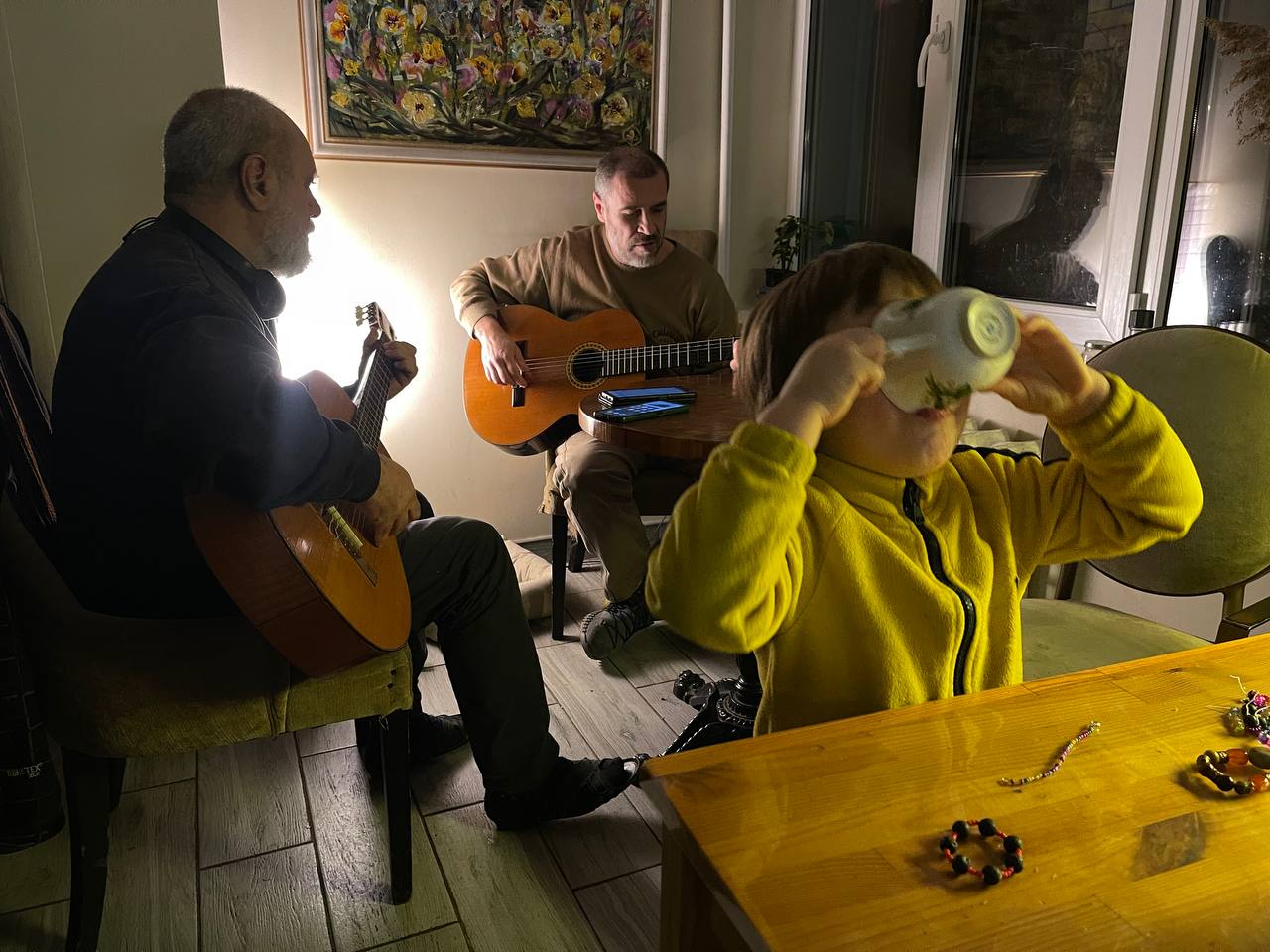
This season has reminded us that Kunsangar North does not live separately from others. We feel the connection in practice through webcasts, through teachings from Merigar, through the work of the Community, through connections and joint schedules. Through international teachers. Through the fact that the advanced course on Khalong is structured so that we can work on our mandala and at the same time be in the general flow (in December — with a connection to Dzamling Gar and translation).
This connection is not just “in words.” It is a connection that is held together by the schedule, translation, technical equipment, and people who take responsibility.
Conclusion
The season was simple in form and strong in essence. We practiced more. We did more together. The Vajra Dance became more intense. Retreats came in series. Namkai Yeshi appeared more often, and this supported many people.
This is what a living community looks like: not as a perfect picture, but as a steady rhythm that we have entered into.
Kunsangar North Gakyil