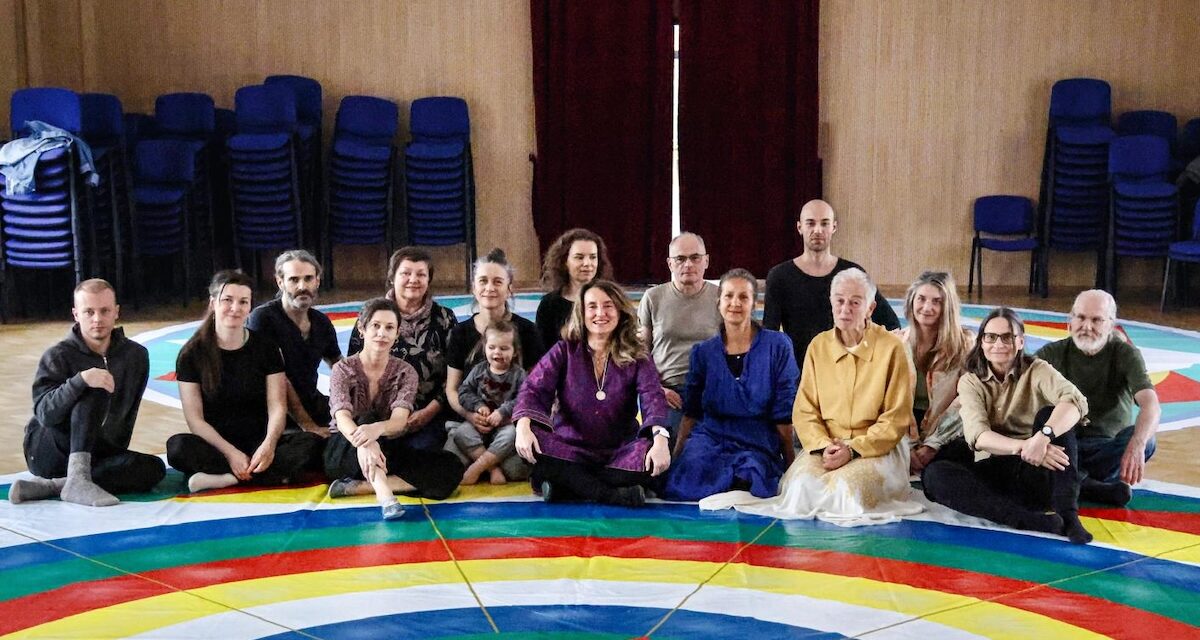
April 18-19, 2026
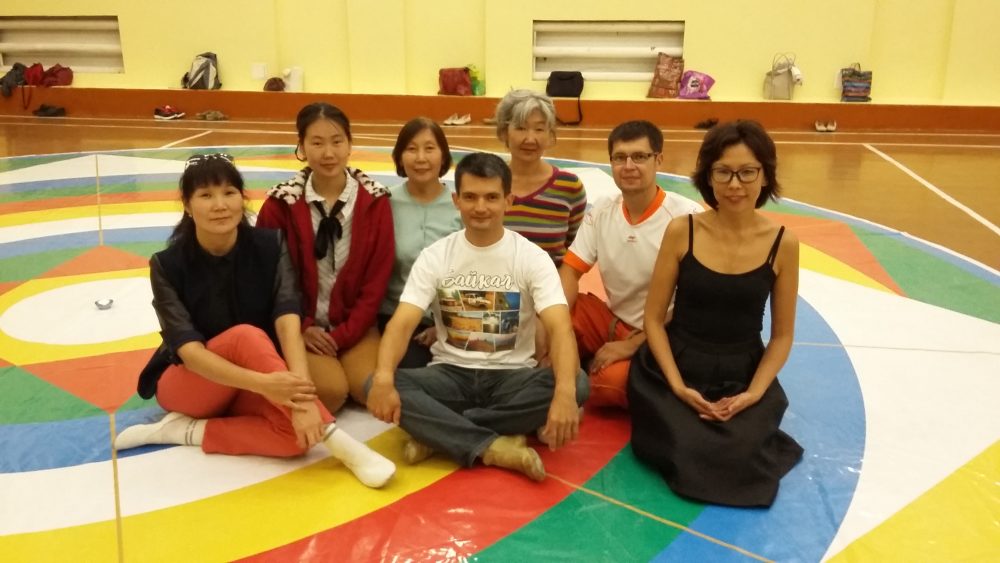
On April 2026, I held a course of the Vajra Dance that Benefits Beings in Warsaw, Poland. As a Community, we are in a very particular situation here – there is currently no Gakyil in Warsaw – so organizing the course required considerable care, as well as inviting people who are not members of the Community. For this reason, I asked Mateusz Cieplechowicz a young 26-year-old artist, to agree to become the Project Manager of this course, even though he is not formally a member of the Dzogchen Community. My intention was for the course to be prepared and directed toward new participants, especially young people. Homage to my Master Chögyal Namkhai Norbu and my Teachers of the Vajra Dance: Prima Mai, Adriana dal Borgo and Rita Renzi.
Now I give the floor to Mateusz, who wrote this article
Izabela Jaroszewska.
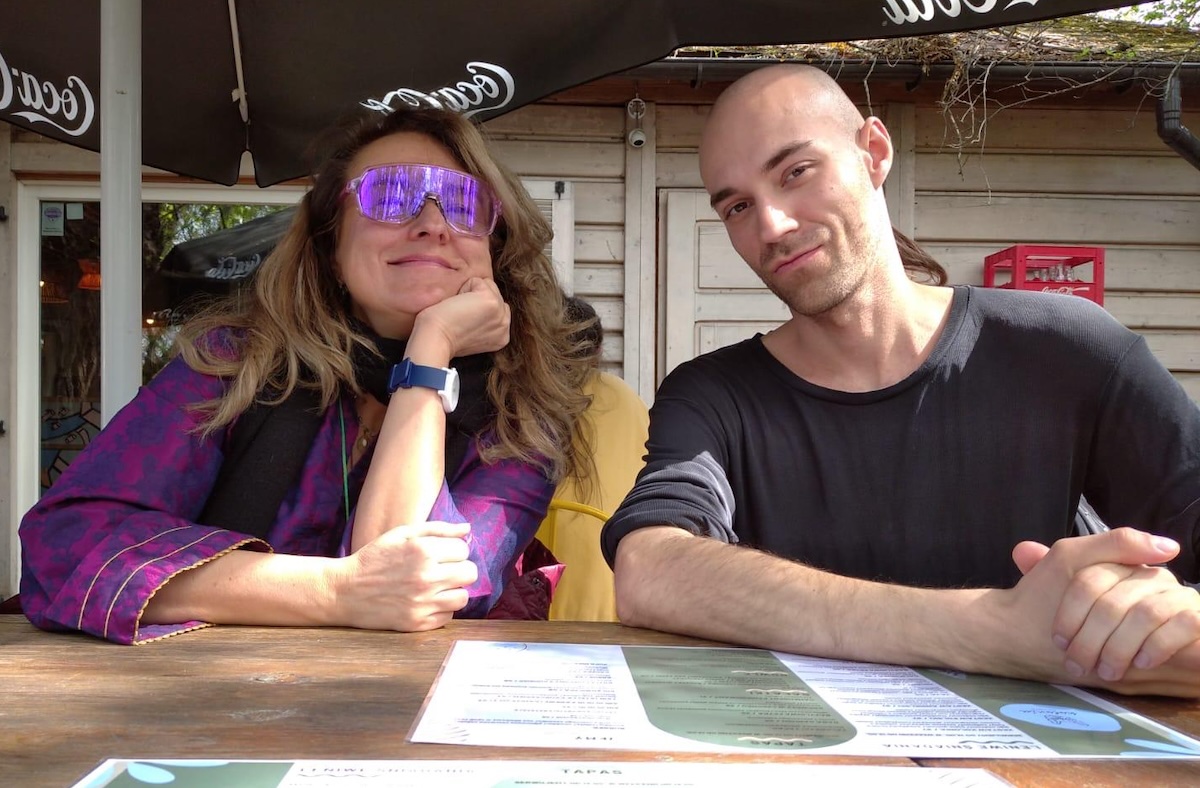
On April 18–19, 2026, a Vajra Dance of Six Spaces course took place in Warsaw, Poland. Preparations for the event began six weeks in advance, with the aim of reaching as wide an audience as possible. My particular intention was to invite new participants – especially younger people – and to show that Vajra Dance on the Mandala is not a practice confined to closed or hermetic circles. I wanted to create an open and accessible format. We used social media as well as posters displayed throughout the city, particularly in spaces connected with art, culture, yoga centers, and student communities.
The course was led by Izabela Jaroszewska, for whom this was the first Six Spaces Dance course she conducted in Poland. She guided it with great precision and attentiveness, in a structured way, gradually introducing each element of the movement. First the steps, then the rhythm, and finally the mantra. Each sequence was broken down into stages, separately for women and men, allowing participants to clearly understand the structure of the dance.
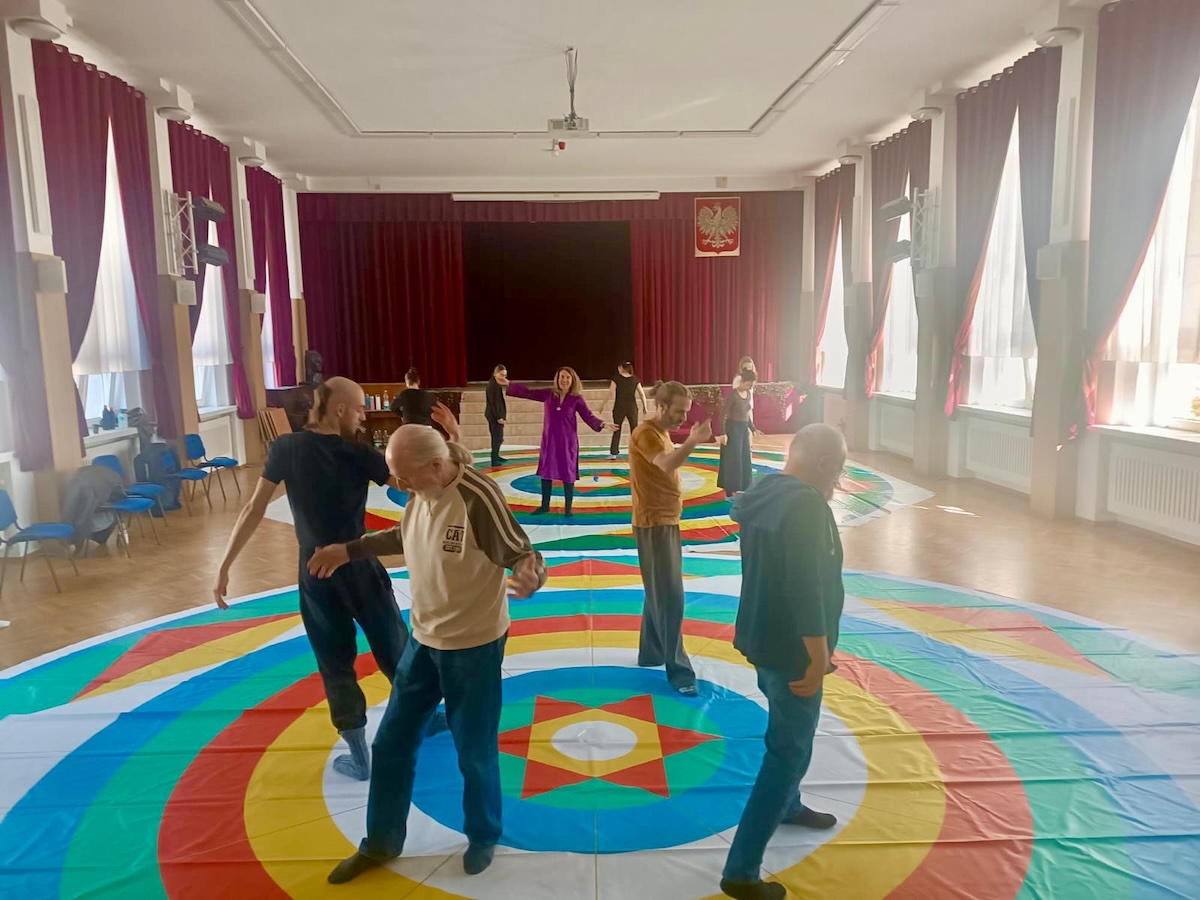
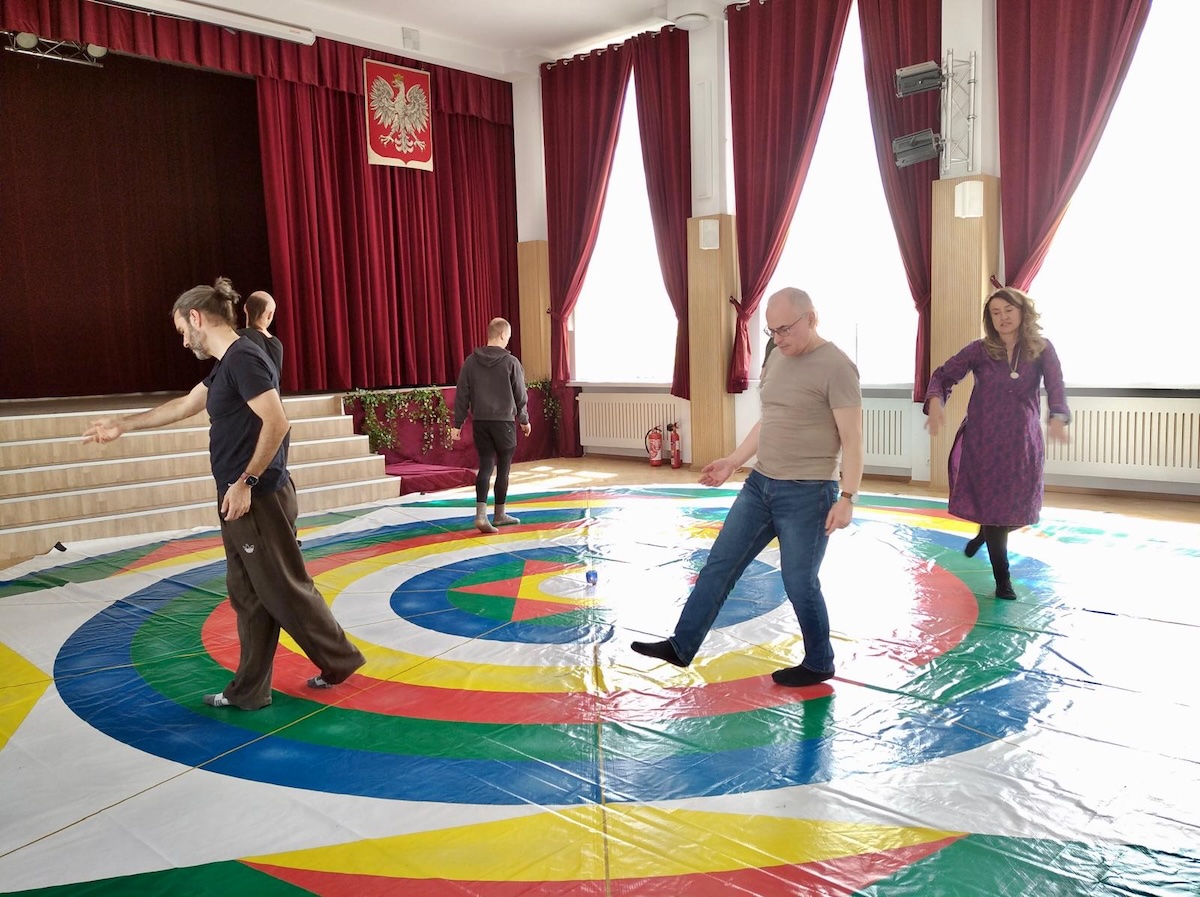
Izabela used language adapted to the individual needs of the participants, offering clear and helpful instructions. As a result, everyone was able to independently perform the full form by the end of the course.
In everyday life, almost everything can divide us. And although each of us has our own pace, in the dance we move in the same way. This was also visible in the relationships between participants – in their mutual support and attentiveness. One person told me that the presence of teacher helped them follow the sequence of steps, which significantly facilitated their learning process. For others, the experience of the course was deeply transformative. Conversations with participants revealed that some experienced a clear sense of decisiveness arising during the course.
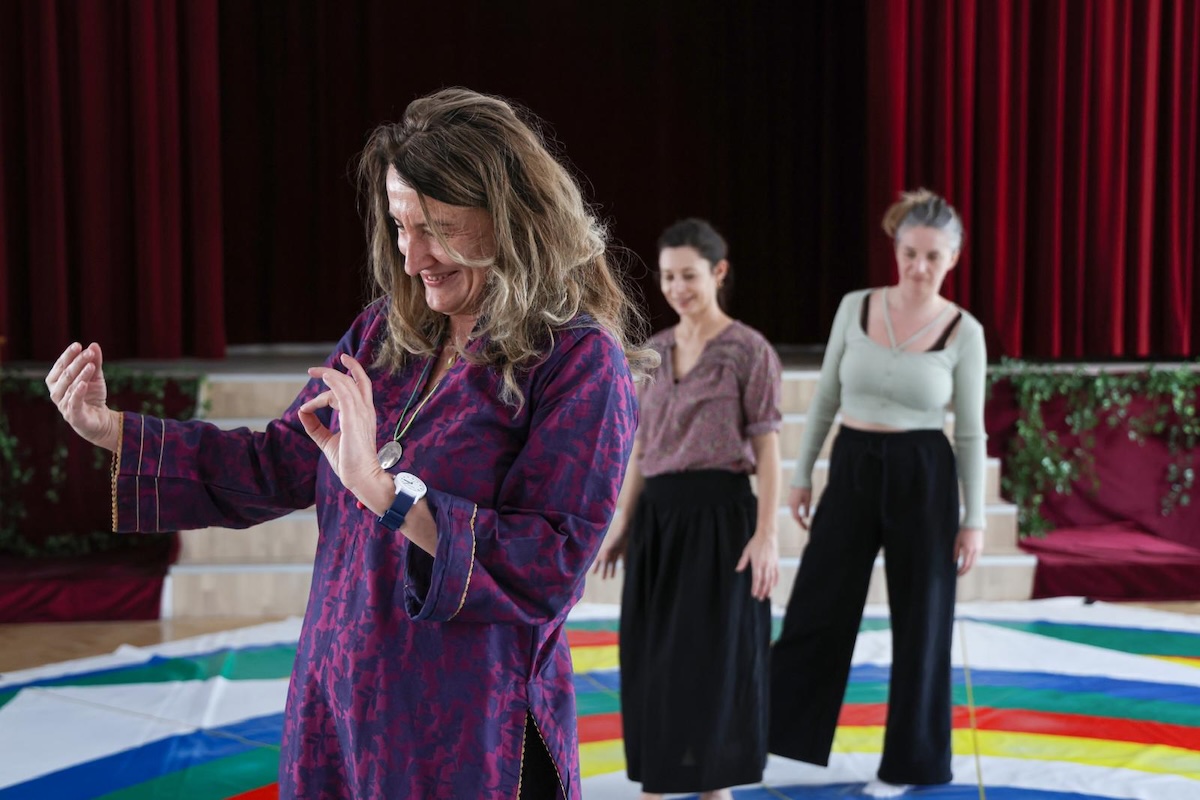
For me, the course was an experience of intense purification, even though I have been practicing this dance for five years. I experienced this particularly clearly, for the first time, on a physical level – during the sessions there was a strong need to drink water, and after it ended, a marked decline in my well-being. However, these symptoms passed the following day. The course, which had not been held in the capital for a long time, became an opportunity to bring new energy into the development of Vajra Dance practice in Warsaw. From an observer’s perspective, I see that everyone goes through this process in their own way. The most moving evidence of the quality of the course was the participants’ engagement – visible in their faces, their conversations, and their mindful movement.
Mateusz Cieplechowicz