An excerpt transcribed from the Song of the Vajra Retreat, Hong Kong, 2012. May 19, day 4, part 3. Continued from issue 172 of The Mirror
Rinpoche quotes from “The Treasury of the Supreme Vehicle” composed by Longchenpa.
།དབང་དང་དམ་ཚིག་བདེ་བ་སྟེར།
When we receive initiations, we take commitments to work with the development stage and accomplishment stage and apply those methods so that we can finally realize the state of Mahāmudrā. Our commitment is that after we have received an initiation we should do the related practice until we have total realization in the state of the sambhogakāya. But we should not become dependent on this. We should be totally in our real primordial state and even if we are in our dualistic vision relatively, everything is a manifestation of wisdom, of bliss.
།མ་རིག་པ་དག་བཅར་ལ་གནས།
Marigpa refers to our ignorance because due to many secondary causes we do not notice, we are distracted, and so on. Through the potentiality of the Song of the Vajra we can be totally free from these kinds of distractions.
།ཐེག་པ་རྣམས་ཀྱི་ངལ་གསོའི་ས།
There are many different kinds of vehicles: the Hīnayāna vehicle, the Mahāyāna vehicle, the three lower tantras and the higher ones. Each vehicle has its concept, its different kinds of realizations and its different levels. However, the final goal in which we relax in the state of the dharmakāya is through the Song of the Vajra.
The Dra Thalgyur tantra contains very clear explanations about the essence of the Hīnayāna, the essence of the Mahāyāna, the different kinds of Vajrayāna methods and how we can finally integrate in the state of Dzogchen. In that way the tantra makes us understand that the Dzogchen teaching is the final goal of all teachings.
ངལ་གསོའི་ས།
This means the dimension in which we can definitely relax. Even if we are doing a long practice such as Vajrayāna transformation, when we definitely get into that state, we can relax. It means that we are in the state of Mahāmudrā and there is no difference between the state of Mahāmudrā and that of Dzogchen. Even in Sūtra, which explains the precious Prajñāpāramitā, we do not remain in the concept of Prajñāpāramitā in an intellectual way. When we really arrive at the final goal of Prajñāpāramitā then we can definitely relax.
།ལྟ་དང་སྒོམ་པའི་འབྲེལ་པའི་མཚམས།
།སྙིང་པོ་རྣམས་ཀྱི་གདུལ་བའི་ཞིང༌།
Each of the different kinds of vehicles explains the base, the path and the fruit. The path explains the point of view, its application and the attitude. We learn this and apply it. What connects all of these vehicles is the state of Dzogchen. When we have knowledge of the Dzogchen teaching we are in its essence.
People have asked me: “I am a Sūtra practitioner and dedicated many years to Zen practice,” or, “I have followed Vajrayāna in the Gelugpa and Kagyupa traditions for many years, now I am interested in the Dzogchen teaching. Will I have some problem or not and what should I do about the practices I did?” We have these kinds of ideas because our mind judges and thinks that way when there is no problem. If a person still needs to follow teaching that means they did not succeed to get to the essence of the final goal, otherwise they wouldn’t need it anymore.
So if you are learning Dzogchen teaching it is very useful that you try to be in the essence. If you have time you can still do transformation practice and so on. If you like, of course you should continue. The Dzogchen teaching never asks you to change anything. Changing something is the Sūtra system. Even the Vajrayāna teaching does not ask you to change anything. There is nothing to change if you understand the real meaning, but when you have something to change that means you are very far from the essence of the teaching.
I often give an example to illustrate this. In 1956 – many of you young people were still in the bardo – I had finished college and had come to India to visit all the sacred places. While I was in Kalimpong I met a French lady who told me that she had followed Buddhist teaching for many years. Before that she had been a Catholic but then she became interested in Hinduism and so she had come to India and followed the Hindu tradition for some years. Then she heard there was a teacher in Tromo, near Sikkim, called Domo Geshe Rinpoche, a Gelugpa who was secretly doing Dzogchen practice. He was a very good teacher and had many Western students. Then she went to Domo Geshe and she became a Gelugpa nun and followed this Domo Geshe Rinpoche for some years.
When Domo Geshe died she went to Sikkim to follow a reincarnation called Kachöd Rinpoche and she became Nyingmapa and followed Nyingmapa for some years. Then she met a Kagyüpa teacher and decided that she wanted to learn and apply Mahāmudrā so she became Kagyüpa. When I met her she was Kagyüpa and she said to me: “I am very interested in talking with you. I heard you are Sakyapa and studied many years in the Sakyapa tradition. I want to know some teachings of the Sakyapa.” Then I told her that although I had studied Sakyapa teachings I was not a teacher and couldn’t give her this kind of teaching. I suggested that she try to follow some Sakyapa teachers of which there are many good ones because it was clear to me that she now wanted to be Sakyapa.
So you see this is very far from the real sense of the teaching and people change in this way as if there were something to change. When we follow Dzogchen teaching there is nothing to change. When we discover our real nature, we can integrate everything and if we want to follow any kind of tradition, even if it is not a Buddhist tradition, there is no problem, we can use it but we must have a base, otherwise we become like this French lady. When we have a base, the final goal is to be in our real nature. So we do our best that way and then we can learn everything without any problems.
།མི་བསྐྱོད་སྣང་བ་རང་སྐྱེད་གནས།
This means that in Dzogchen teaching you can integrate all kinds of visions and any kind of situation and is a really special principle of the Dzogchen teaching. You never need to change anything. For instance, if you are working in a shop you might want to change your job to do something more connected with Dharma teaching. But it depends on your practice. You might have a job such as fishing, work that involves killing animals, so if there are possibilities you can change your job but mostly there is nothing to change. The important point is that you become a practitioner.
For example, working in a shop you try to be present. Before you go to work and when you sleep at night you try to do Guruyoga. In that way you develop your capacity of the state of contemplation. When you have some time you can also dedicate one or two weeks for personal retreat to learn how you can integrate in daily life. There are many practices such as Rushen, Semdzin and so on. You don’t need particular instructions for this. If you don’t understand then you can read some explanations or you can ask some old students who already know. It isn’t necessary that the teacher has to explain. You should not limit yourself that way and you can learn and develop and have more capacity to integrate in daily life.
རྡོ་རྗེ་སེམས་དཔའི་སྐུ་ཡང་འཛིན།
That means that for the real condition of the sambhogakāya it is not necessary to do the development stage and accomplishment stage to have that kind of manifestation. When we are in total realization everything manifests its qualification. The same is true for the maturation of dharmakāya qualifications. This is how the benefits are explained in the Nyida Khajor.
རྡོ་རྗེ་གསང་བའི་གླུ་ཡིས་ནི།
[།དགོས་པས་ངན་སོང་སྒོ་དགག་ཕྱིར།]
།སངས་རྒྱས་ཉིད་ཀྱི་མཛད་སྤྱོད་ཡིན།
When we are singing and integrating with those sounds, we are in the state of Samantabhadra, so we can understand how important this practice is.
When we consider the three statements of Garab Dorje and three series of Dzogchen teaching, we can learn how certain sounds of the Song of the Vajra have a correspondence with specific parts of the Dance of the Vajra. In our physical body we have many chakras and channels. The maṇḍala is a symbol of these chakras when we are dancing the Dance of the Vajra on it. On that level, when we dance on certain parts of the maṇḍala they represent the energy related with the sound of the Song of the Vajra.
In general there are many kinds of sounds. One of the seventeen tantras related with Dra Thalgyur is an important tantra called Rigpa Rangshar. Rigpa Rangshar explains how all sounds connect with our potentialities and so we can understand that all the chakras in our vajra body are dominated by different kinds of sounds. Among all these sounds, the most important are related with the Song of the Vajra. With the Song of the Vajra the parts more connected with our chakras are also the most important points concentrating energy.
This also explains why external sacred places are so important. There is a direct connection between these places and our physical body, our vajra body. There are more detailed explanations on the subject. I have been studying this topic and am preparing a book to illustrate how our globe is connected to the maṇḍala, and how that maṇḍala is connected to our inner chakras and further connected with sounds, with seed syllables. It is not so easy to explain because there are many aspects but I am preparing this maṇḍala to show the different points. When you discover these points you can also discover sounds. This is something that will be very important.
Edited by Liz Granger
Final editing by Susan Schwarz
Tibetan script by Prof. Fabian Sanders
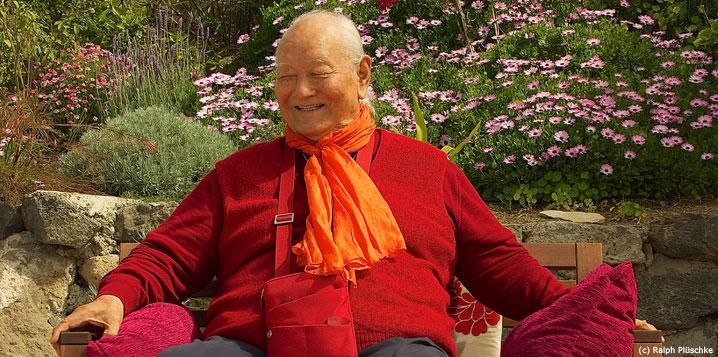
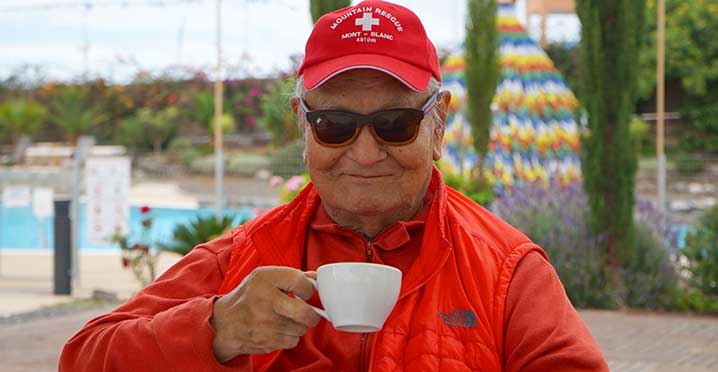
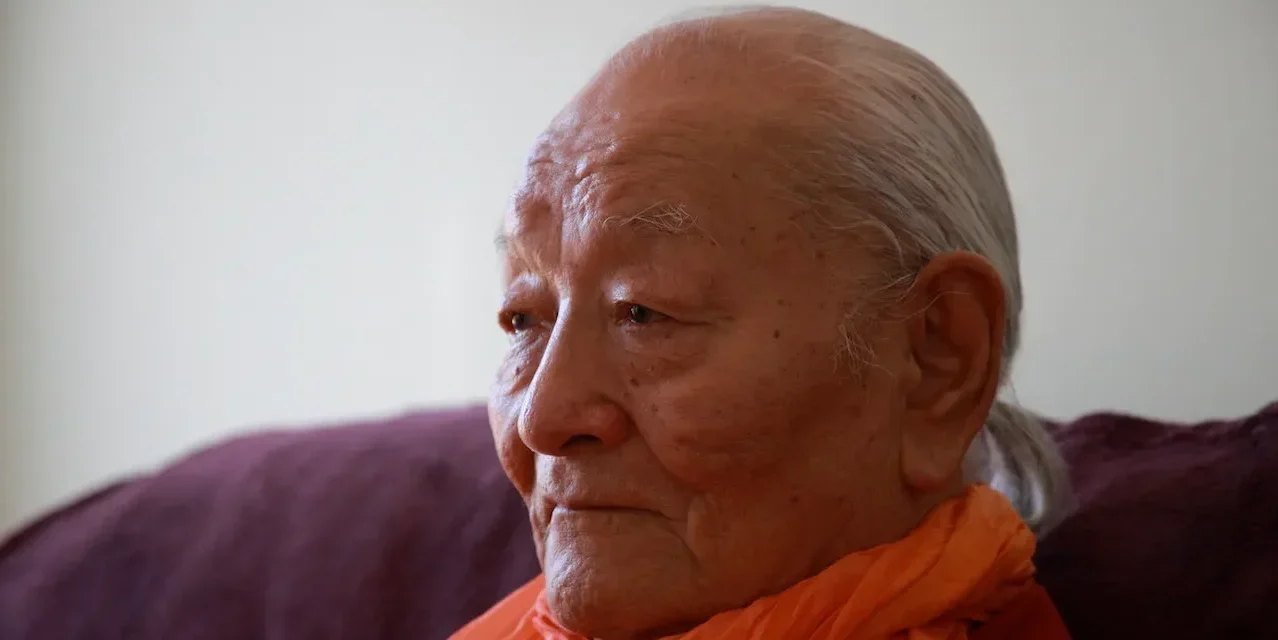
Photo of Rinpoche by Lidiya Dzhebisashvili