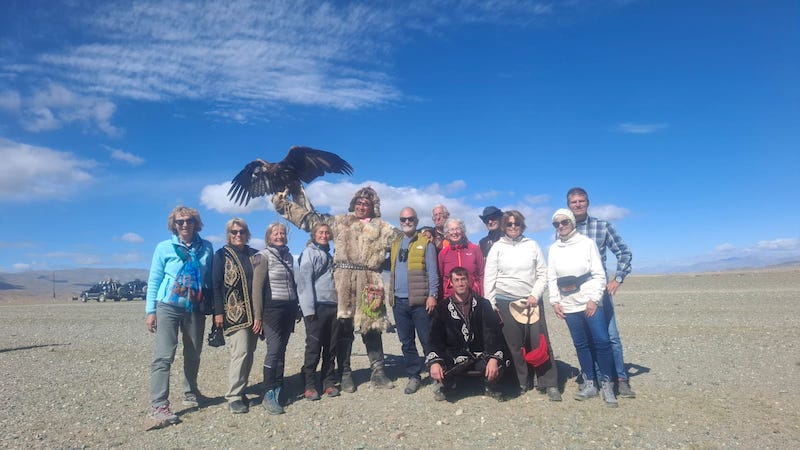
Over the last two years, ASIA has been working to develop a new activity: solidarity trips.
For a long time, we had been receiving requests from our supporters to organize trips, driven by the wish to meet the people they sponsor—children, monks, elderly people—in person and to get to know the Himalayan countries from a different perspective, from those who have been working there for many years and who know the culture and traditions, but also the social and economic problems that affect the daily life of local communities.
In April 2020, we were ready to set off on our first solidarity trip to Nepal, when the Covid pandemic threw all our plans into disarray.
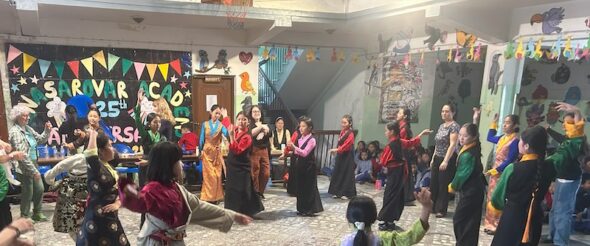
In 2023, we were finally able to launch this new project, with the departure of the first group for Nepal, and it was exciting.
“The Manasarovar school, the thrill of seeing little Pema, meeting her mother and the school principal. Then the Tibetan medicine school in the Triten Norbutse monastery, the Model Farm where they grow coffee and have beehives, and finally a journey through space and time, our stay in the village of Gatlang was an unforgettable experience,” Francesca wrote to us on her return from the trip.
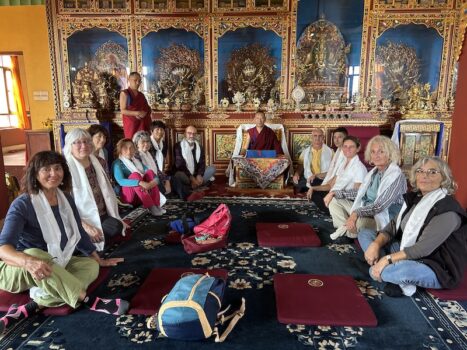
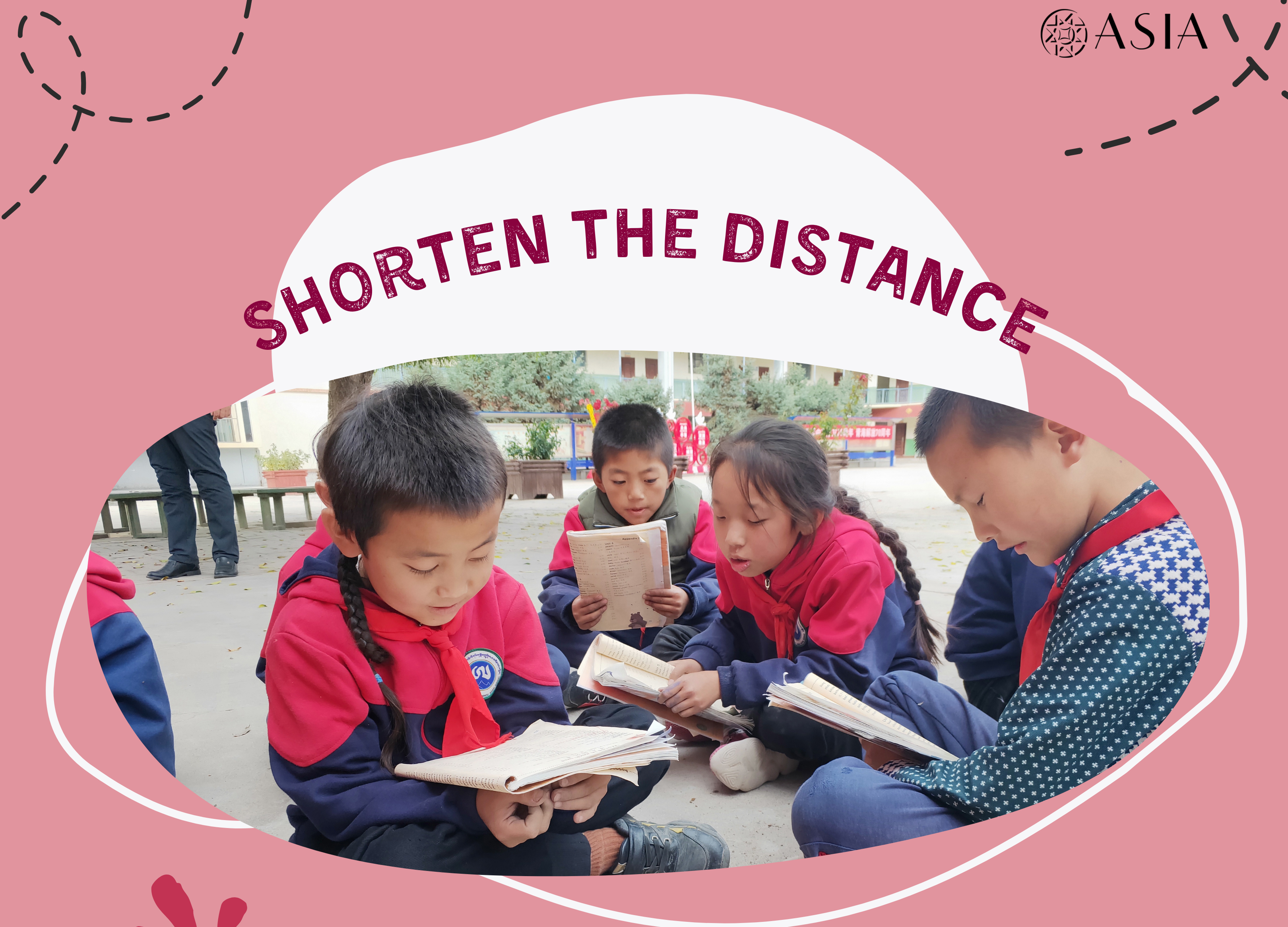
Our solidarity trips aim to build bridges between people who live in very distant, different worlds, with totally different lifestyles. They offer our supporters the opportunity to really shorten the distance and get to know the people they are supporting, to feel the emotion of looking into each other’s eyes and hugging each other. They are also an opportunity to visit our projects in the field, understand how a cooperation project works, and get in touch with the beneficiary communities, listen to their stories, and share moments of their daily lives.
“I was also very moved by meeting the ‘peasant women’. The passion and pride they felt in being an active part of the community was reflected in their eyes, which were full of gratitude and joy,” said Gabriella.
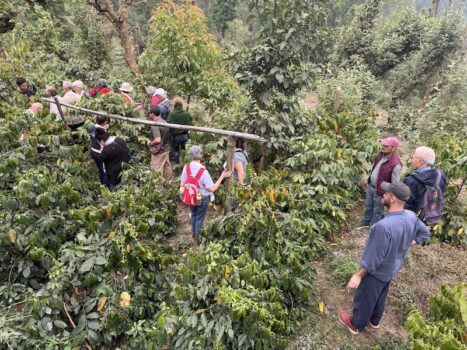
The itineraries also include cultural, spiritual, and scenic sites that are part of the country’s heritage, allowing us to come into contact with a wealth of cultures, ethnic groups, and traditions that are very different from our own.
These are trips that require a certain spirit of adaptation and openness, and like all true journeys, they make us more aware of ourselves, our way of life, and the interdependence of all living beings.
For us at ASIA, it is a way to share with supporters and friends our knowledge of the countries where we work, to connect donors, beneficiaries, and partners, and to create a human experience that enriches everyone: those who know and those who make themselves known. Being listened to and sharing one’s way of life makes people feel recognized and valued.
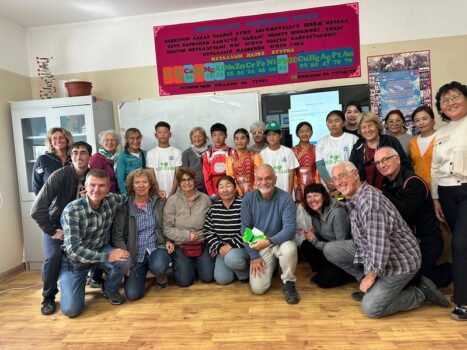
Solidarity and transparency are also central values of our trips, which also aim to support local cooperation projects, encourage virtuous local economic circuits, and show people what is being achieved with their donations, as Stefano testified:
“As a long-time (in every sense) supporter of ASIA, I am delighted to say that I have noticed sincere gratitude on the part of all those who benefit from the aid for what has been done and is being done for them. I was already sure of this, but now I can say that I have seen it with my own eyes. THANK YOU.”
To date, ASIA’s solidarity trips have been to Nepal and Mongolia, and we hope that circumstances will allow us to add other countries soon.
For information, please contact Linda Fidanzia: l.fidanzia@asia-ngo.org – +390644340034