Shang Shung Institute of America was founded by our teacher, Namkhai Norbu Rinpoche, with the help of his students, in 1996.
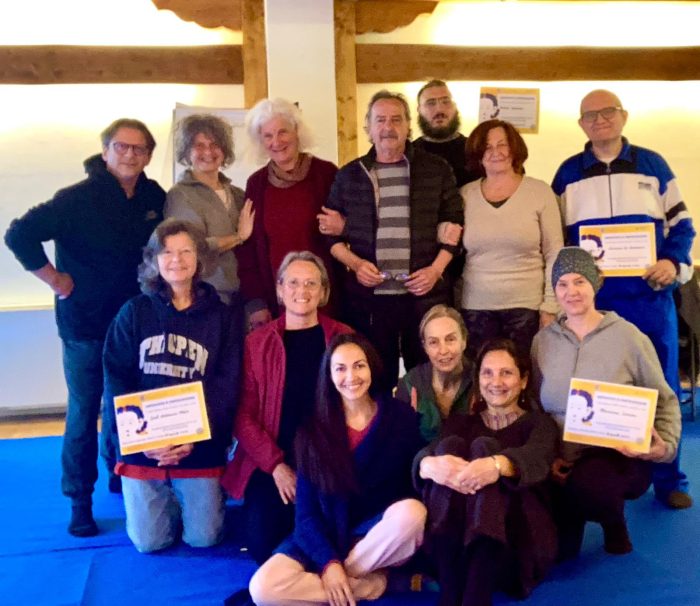
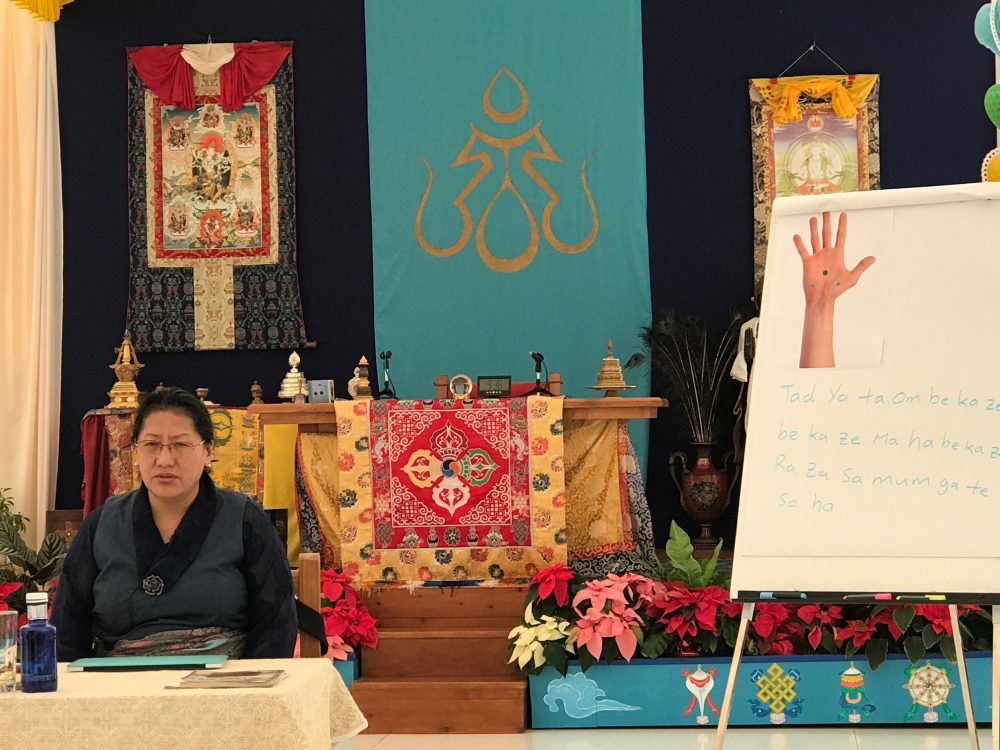
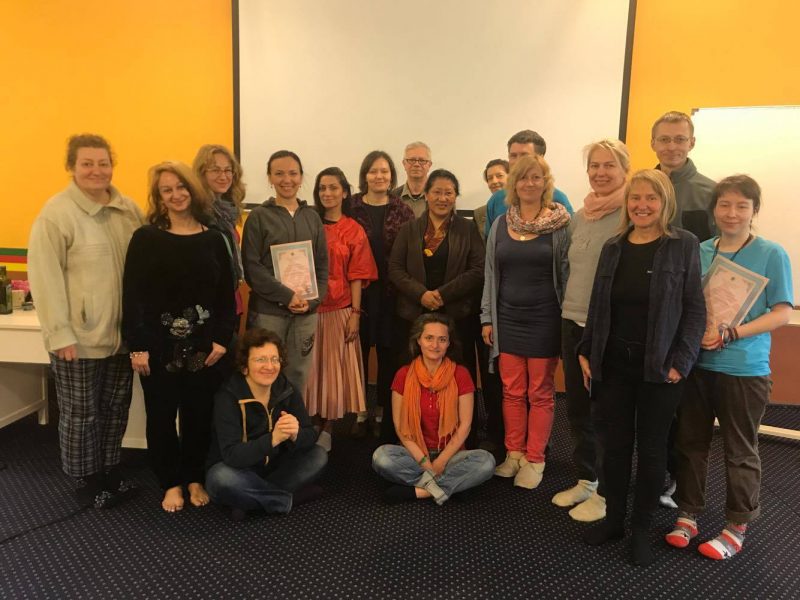
The second Kunye “on the chair” workshop was held at Merigar West from 14 to 16 April, with 13 participants, and consisted of fifteen hours.
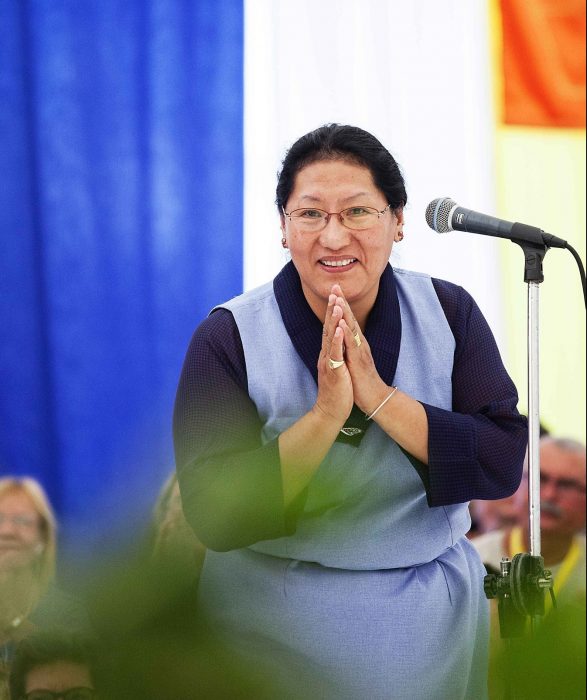
Dr. Phuntsog Wangmo talks about the aspects of the new Tibetan Water Rabbit year and the importance of the Buddhist story of the Four Friends.
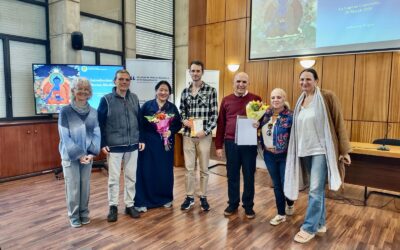
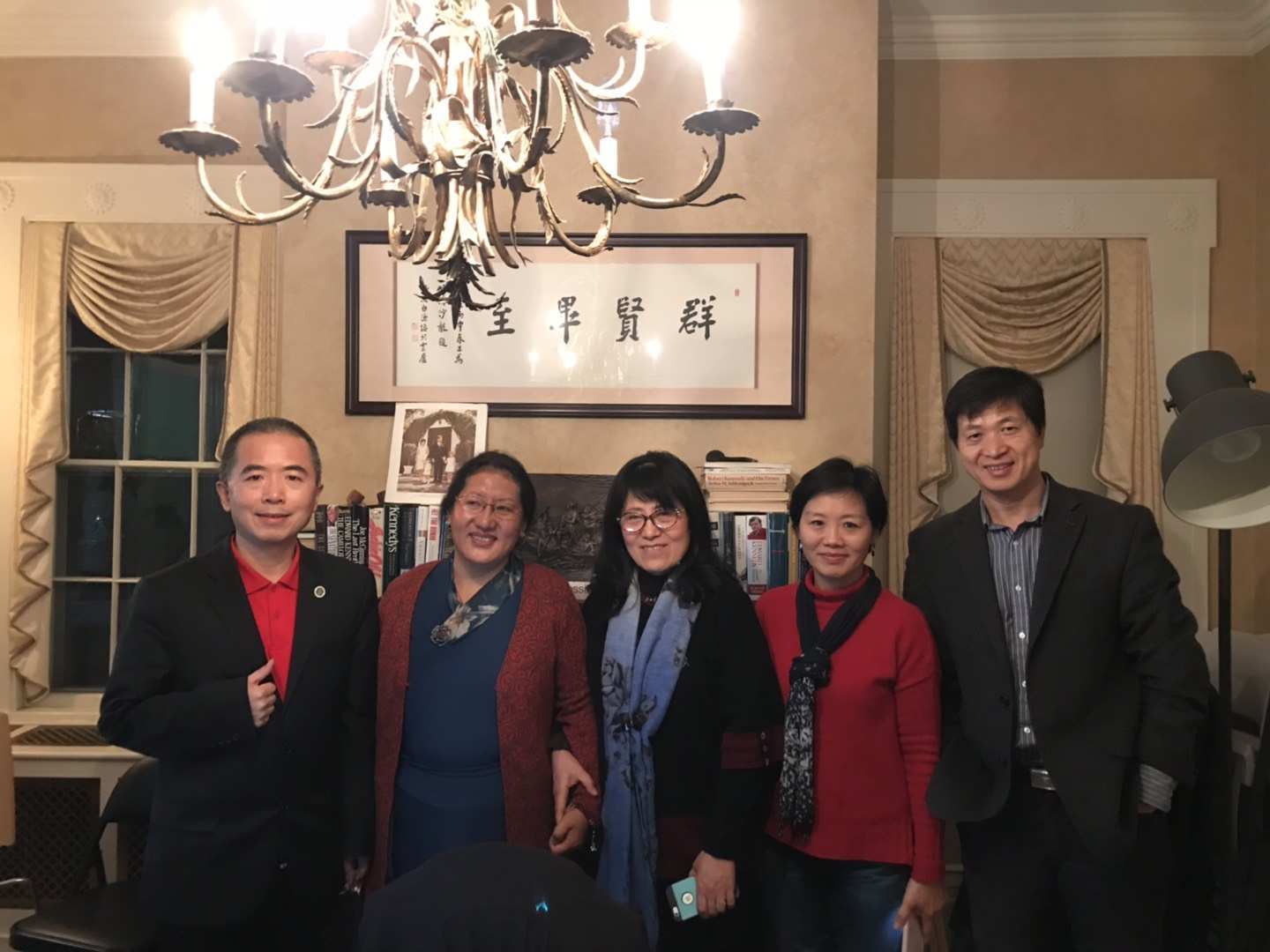
Menpa Phuntsog Wangmo addressed a small group of Harvard visiting scholars at the Cambridge Health Salon on Tuesday, November 13, 2018. They were very pleased with her presentation.
Chögyal Namkhai Norbu and Dr. Phuntsog Wangmo talks about SSI’s Tibetan Medicine programs in the USA, Russia, and Tenerife during Losar 2018 at Dzamling Gar
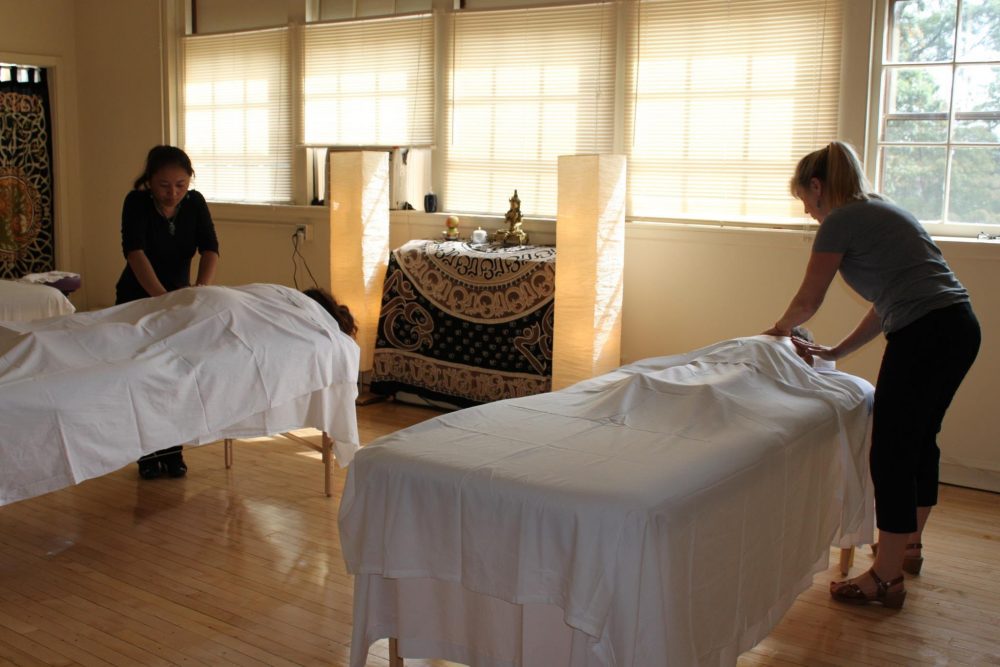
Are you passionate about massage therapy and health? Are you excited about an opportunity to become a massage therapist and build your own massage practice? Do you want to go beyond traditional massage therapy and offer specialized, time-tested treatments to your clients? Join our program at the Shang Shung Institute of America…
Today we are excited to introduce our first two-year Massage Therapy and Tibetan Kunye External Therapies Program!
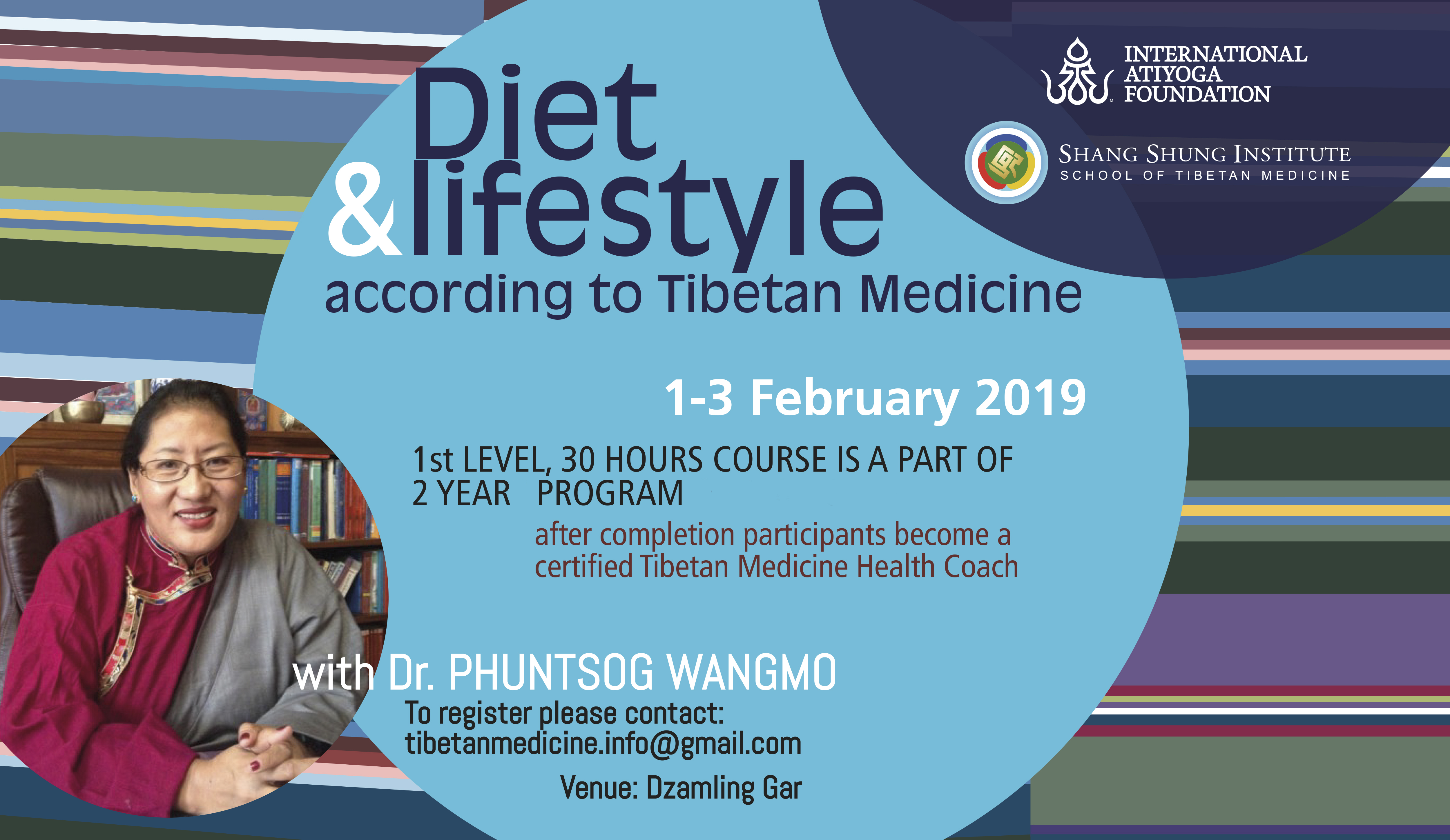
Dr. Phuntsog is visiting Dzamling Gar for the beginning of this year, and giving courses in Tibetan forms of healing, and recently she presented a course in Kunye Massage…
There will be courses in Tibetan Medicine and Ku Nye Massage at Dzamling Gar Spain from late January to mid February 2018.
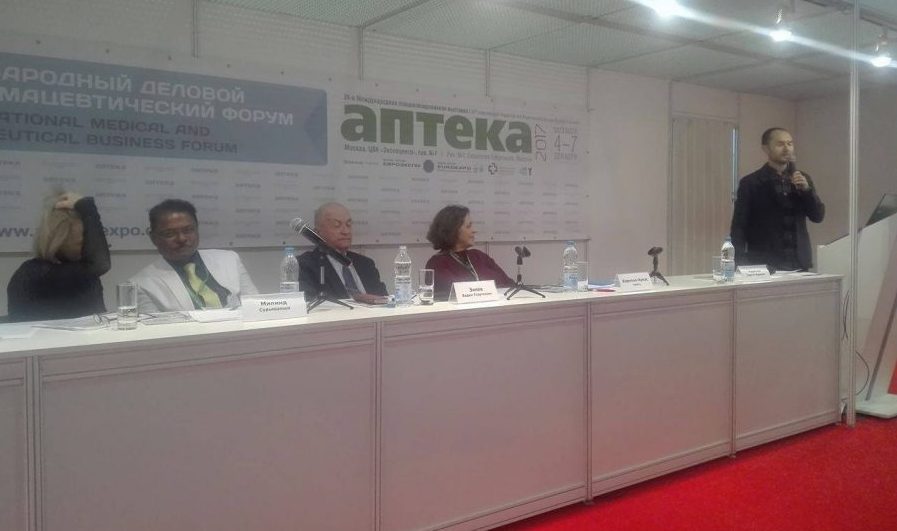
On December 4-7, 2017 in Moscow, an international forum on traditional medical systems of the world took place.
On 3-7 July 2017 there was a 2nd level Ku-Nye seminar with Dr. Phuntsog Wangmo at the Shang Shung School of Tibetan Medicine at Kunsangar North
The 4th Annual Symposium on Western and Tibetan Medicine brought together a diverse group of scholars and medical professionals from around the world. The event provided inspiration and education for a large and equally diverse group of local practitioners, students, and Dzogchen Community people in attendance.