


From October 13th to 19th, 2025, the IT teams of Merigar West and Dzamling Gar gathered at Dzamling Gar for a week of collaboration and technical work, joined by our Austrian sound engineer, Philip Zauner.
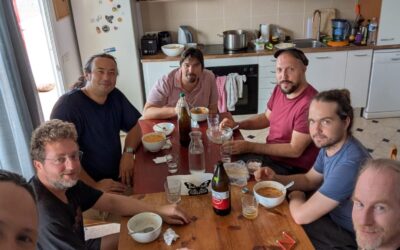
From October 13th to 19th, 2025, the IT teams of Merigar West and Dzamling Gar gathered at Dzamling Gar for a week of collaboration and technical work, joined by our Austrian sound engineer, Philip Zauner.
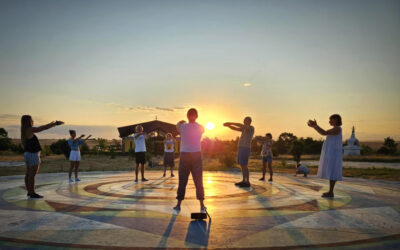
We are delighted to announce a retreat with Namkhai Yeshi from 20–27 August 2026 at Merigar East, where we will also celebrate the 20th anniversary of our beautiful Gar.

Last year marked a special anniversary for our practitioners from the Baltic countries—thirty years on the Vajra Dance Mandala.
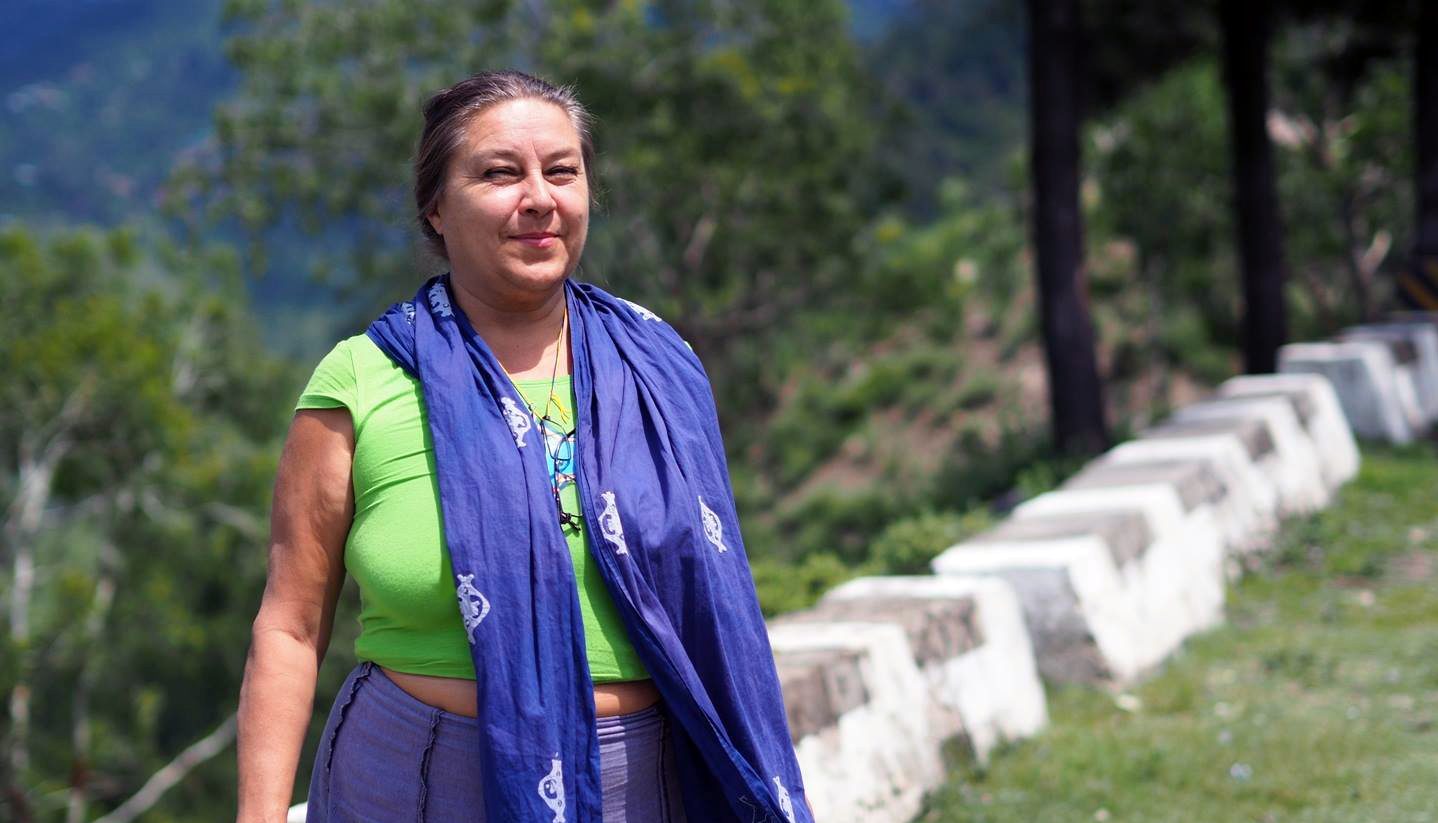
Larisa Rozhnova, thangka painter and traveller from Russia, shares her story of meeting with Rinpoche and speaks about her artistic path.
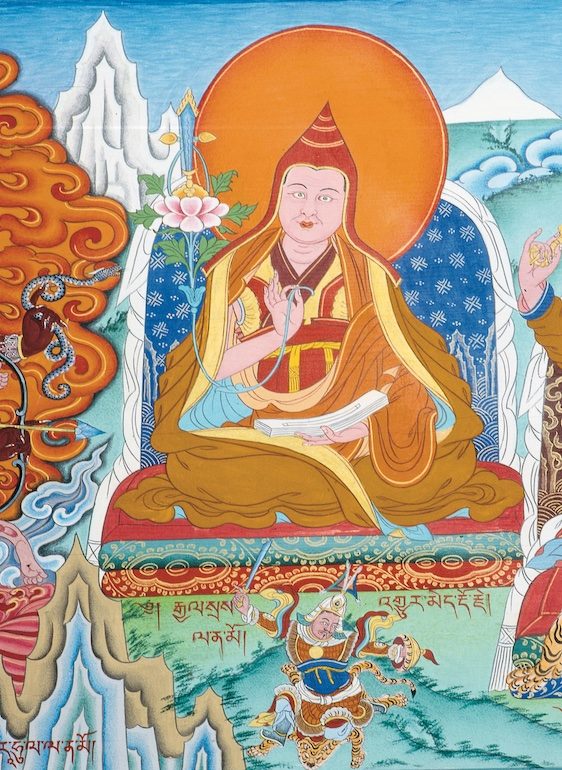
The fifth biography in Our Master’s Masters regards the third son and student of Adzom Drugpa, an author of several important commentaries and treatises
The fourth part of ‘Our Master’s Masters’ is a brief biography of the learned Sakya scholar and founder and teacher at the college of Öntöd monastery
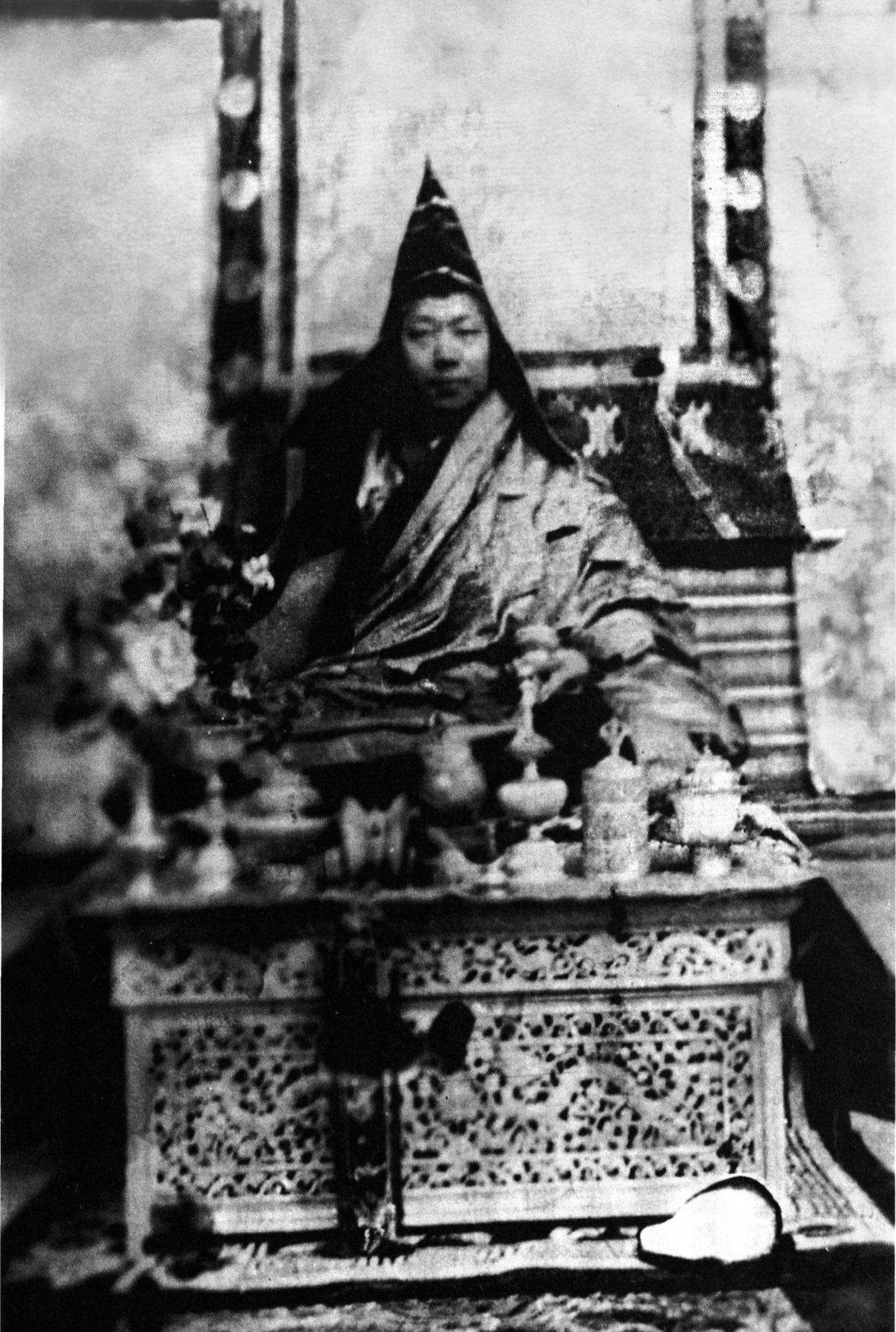
The third part of ‘Our Master’s Masters’ is a brief biography of Chögyal Namkhai Norbu’s maternal uncle, a tertön who revealed many sacred objects and texts
The second part of our section ‘Our Master’s Masters’ is a brief biography of Chögyal Namkhai Norbu’s paternal uncle, a yogi who attained the Rainbow Body
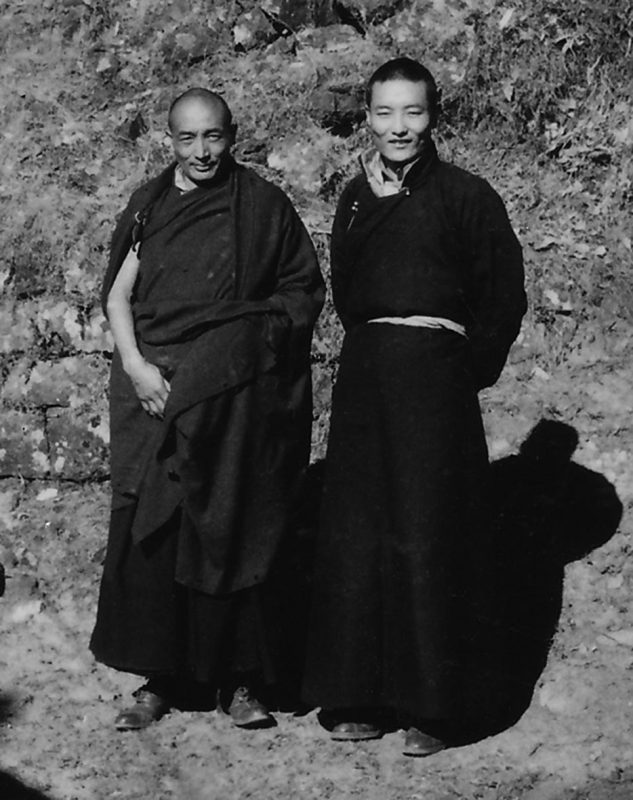
On the occasion of Rinpoche’s birthday we present brief biographies of some of his principal teachers, originally published in The Mirror in December 2010
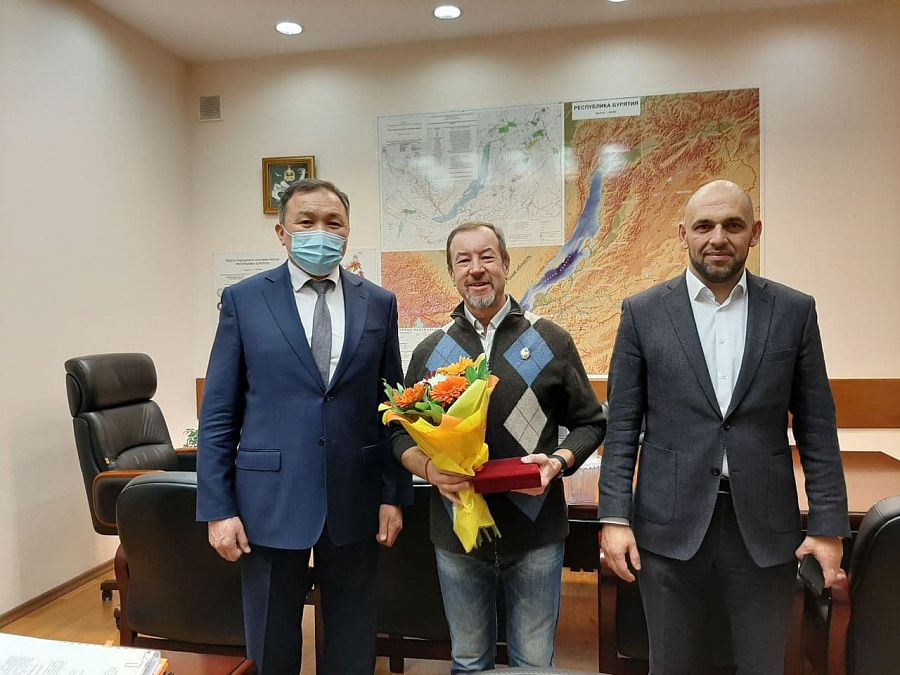
On November 17, Deputy Chairman of the Government of the Republic of Buryatia, Ivan Alkheev, presented a certificate entitled “Honored Artist of the Republic of Buryatia” to the famous artist of Buddhist painting Nikolai Dudko.
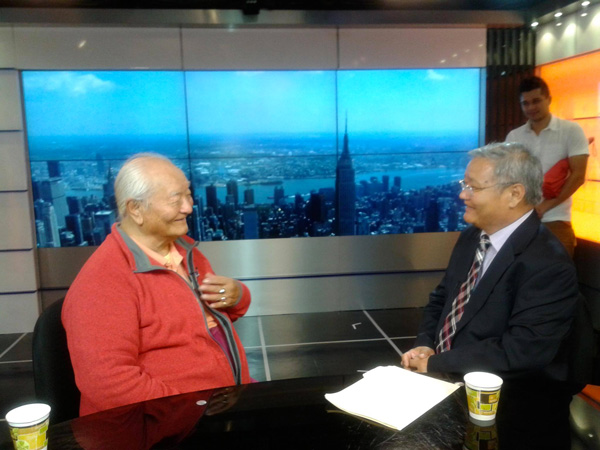
In our section ‘From the Archive’ we bring you articles of particular interest published time ago. In 2014 Rinpoche was interviewed by Kunleng VOA Radio.
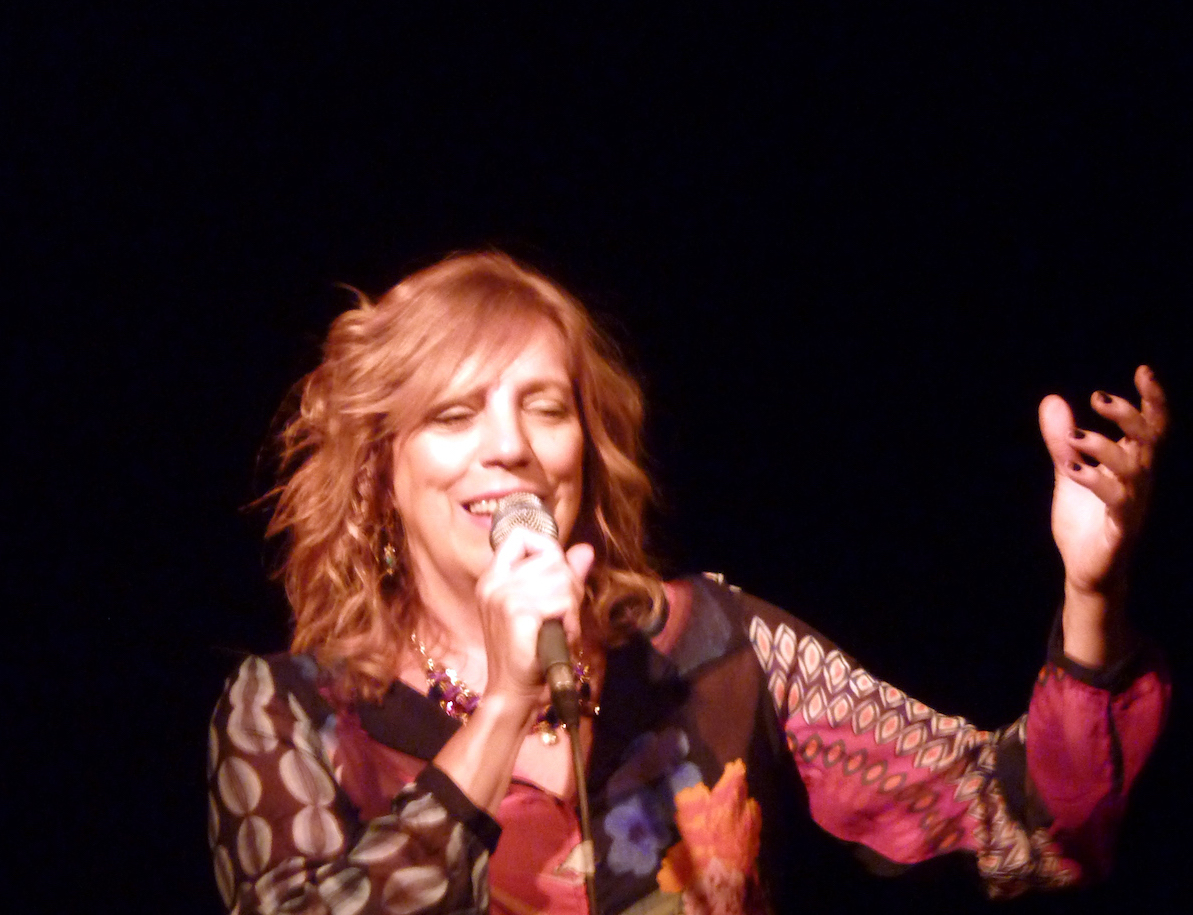
My name is Nélida (Neli) Saporiti and I live in Buenos Aires, Argentina. Music and singing are central parts of my life since my early childhood.