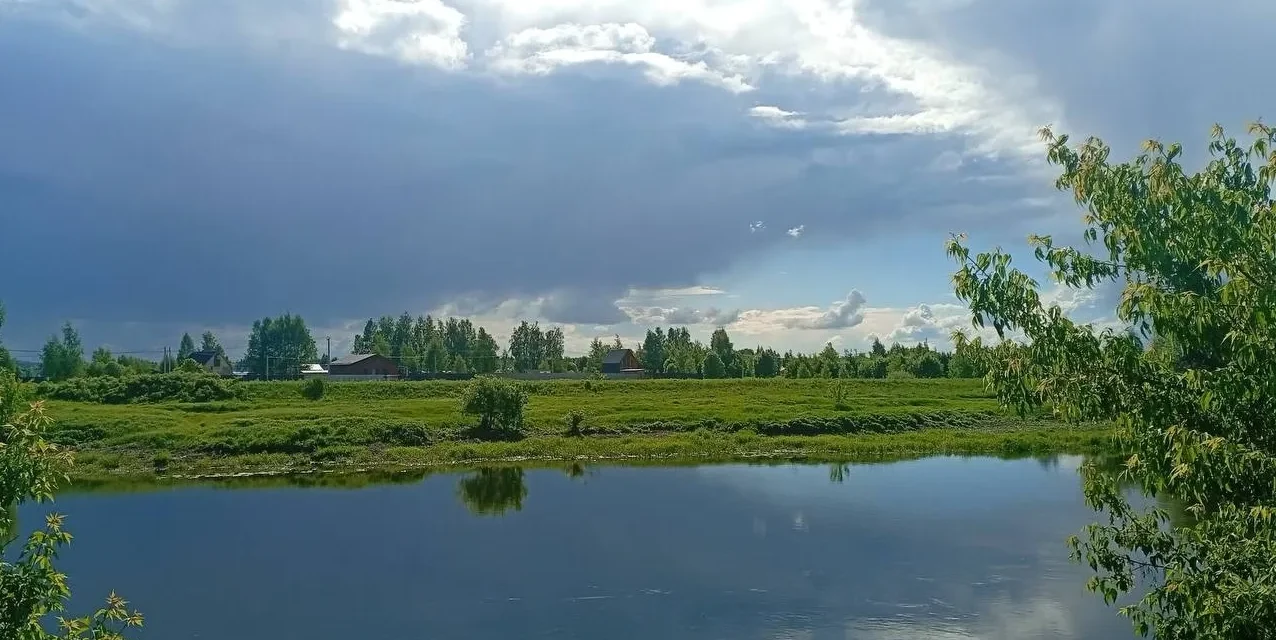
Kunsangar North is a place where countless energies and destinies intertwine, weaving together the unique mosaic of life here. We’d like to present the main events of the spring-summer season, take a look inside the tent and the gönpa, and chat with the gakyil and the gekö.
We would especially like to highlight the happy news that Namkhai Yeshi’s retreat from Merigar in June will be in webcast. This means that, as is traditional, many people will gather at the gar, group practices will be organized, and there will be a live broadcast directly from the gönpa.
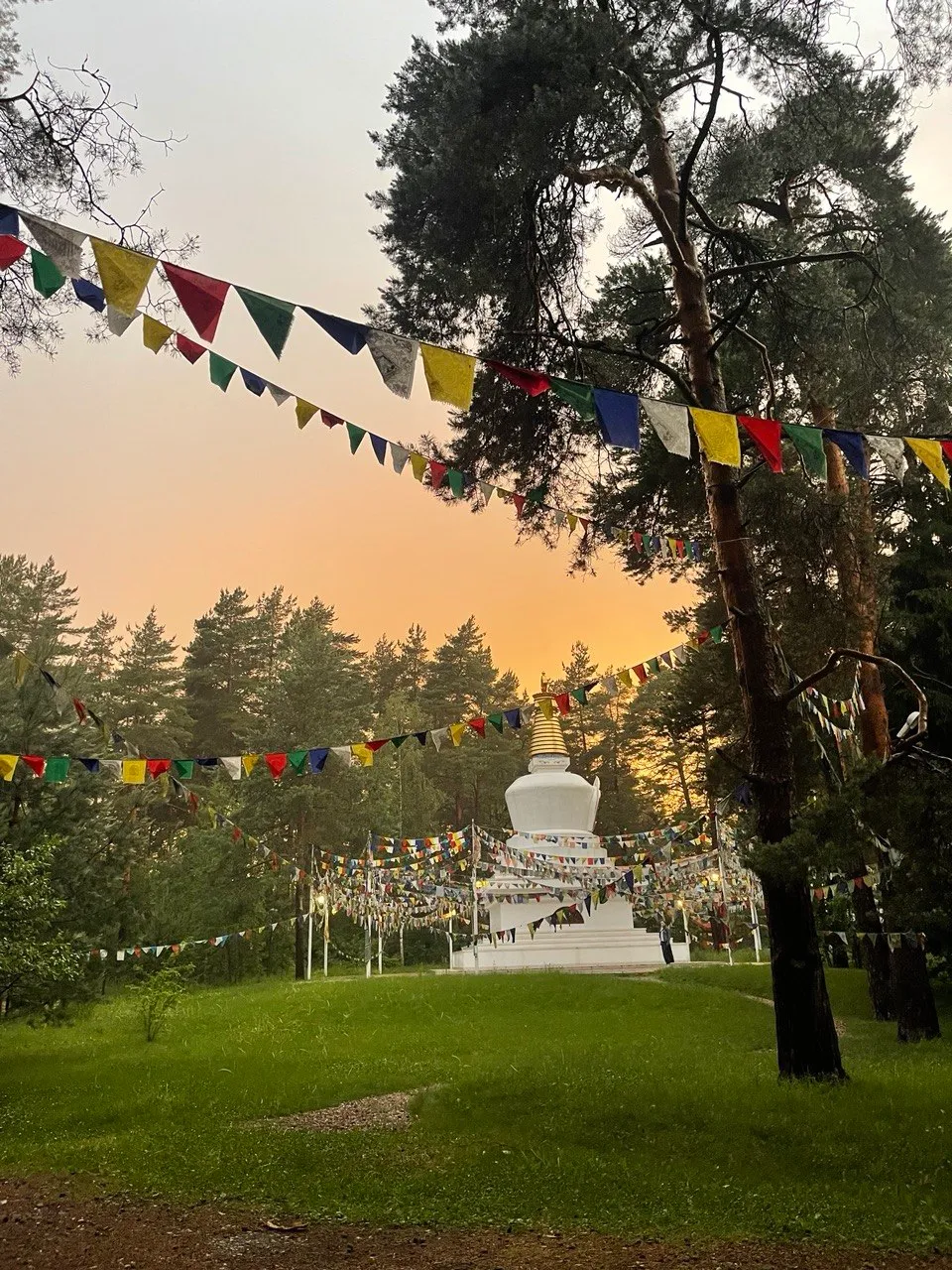
“Every time such a retreat takes place, reality is magically transformed, and the energy in the space seems to grow and intensify; you can feel the blessing—it’s even physically palpable—and the heart rejoices and sings,” shares one of the practitioners about this experience.
In addition, two teacher training sessions on Yantra Yoga with Oni McKinstry await us in July. Last year, her visit was a grand event: for the first time in a long while, an international instructor led an in-person retreat here. The hall was packed with participants. We are happy to welcome the precious Oni again; it is a true gift.
In June, we have a creative week of thangka painting with the legendary Nikolai Dudko. We will be painting Green Tara and doing practice.
Also, Santi Maha Sangha teacher Alexander Gomonov is leading a new course this season related to samtens. Samten are preliminary practices that prepare practitioners for methods such as tregchöd and longde.
“The course is structured in modules. By performing semdzins and rushens associated with the syllable HUM in the first module, and similar practices with the sound A in the next module, the practitioner gradually accumulates and attains a certain result, a fruit, and then he or she moves on to practices without form, in which there are no distinct sounds, but there is presence of an inner sound or there is only a notion, only a thigle, which possesses an inner sound—and in this way we learn to recognize it and integrate everything into the state of inner sound.”
The next module will be dedicated to the practices of the sounds of the elements, as they are mentioned in the Dra Thalgyur tantra. Chögyal Namkhai Norbu transmitted many practices related to the sounds of the elements, and thus, through these retreats organized into modules, practitioners undergo a certain evolution of development to move from the first testament of Garab Dorje to the second, so as not to stagnate on their path.
As Namkhai Yeshi says, “It is necessary to constantly explore and study one’s various states, discovering one’s original nature through the diverse experiences we encounter in life.”
It is worth noting that one of the leading practices currently experiencing a boom at Kunsangar North is Vajra Dance. Many new students are drawn in, interested in learning this particular method. Retreats and practice sessions are held regularly at the gar.
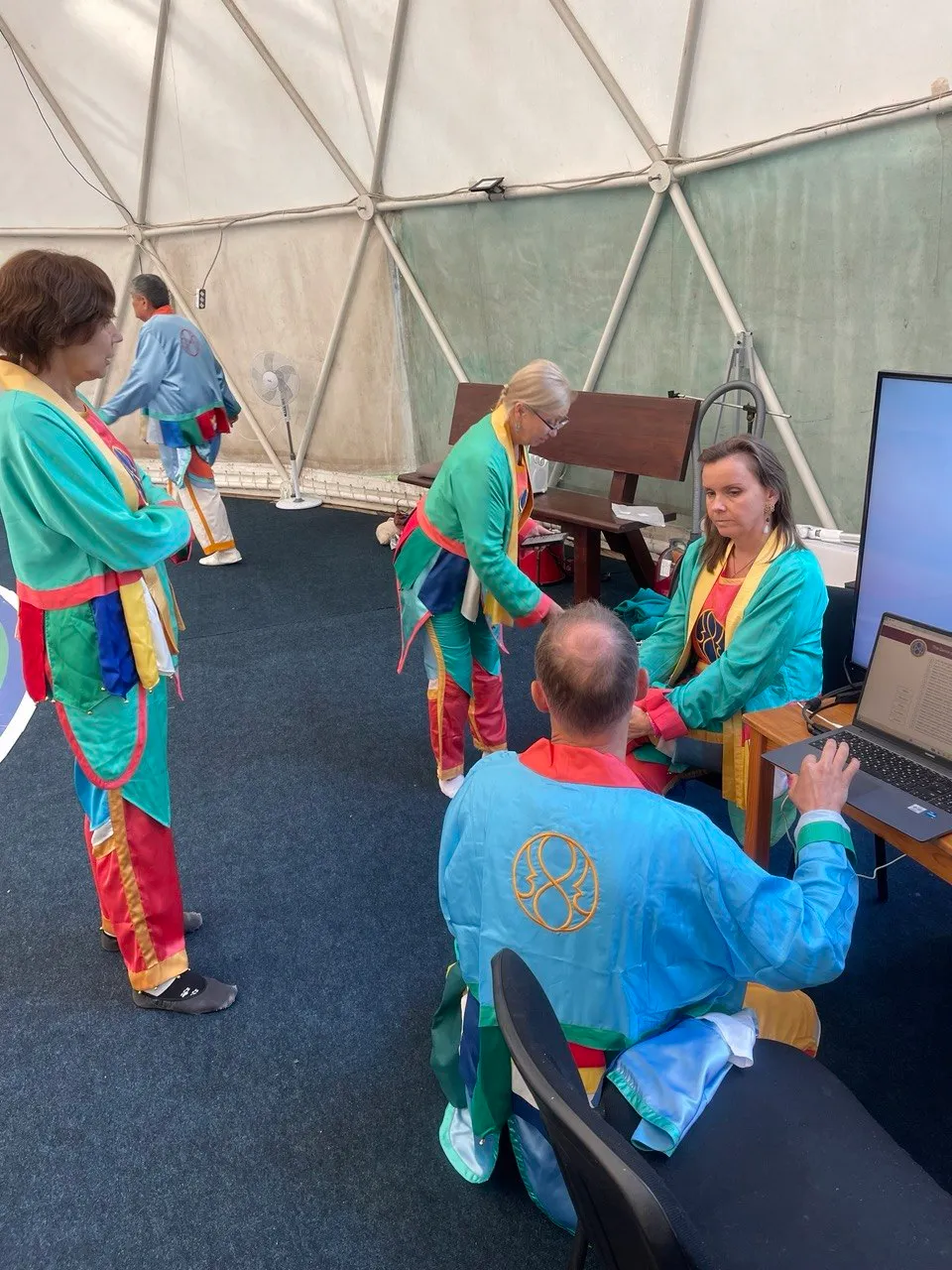
We spoke with Snezhana—the newly elected blue gakyil, a talented artist, the life of the party, and an experienced Vajra Dance practitioner.
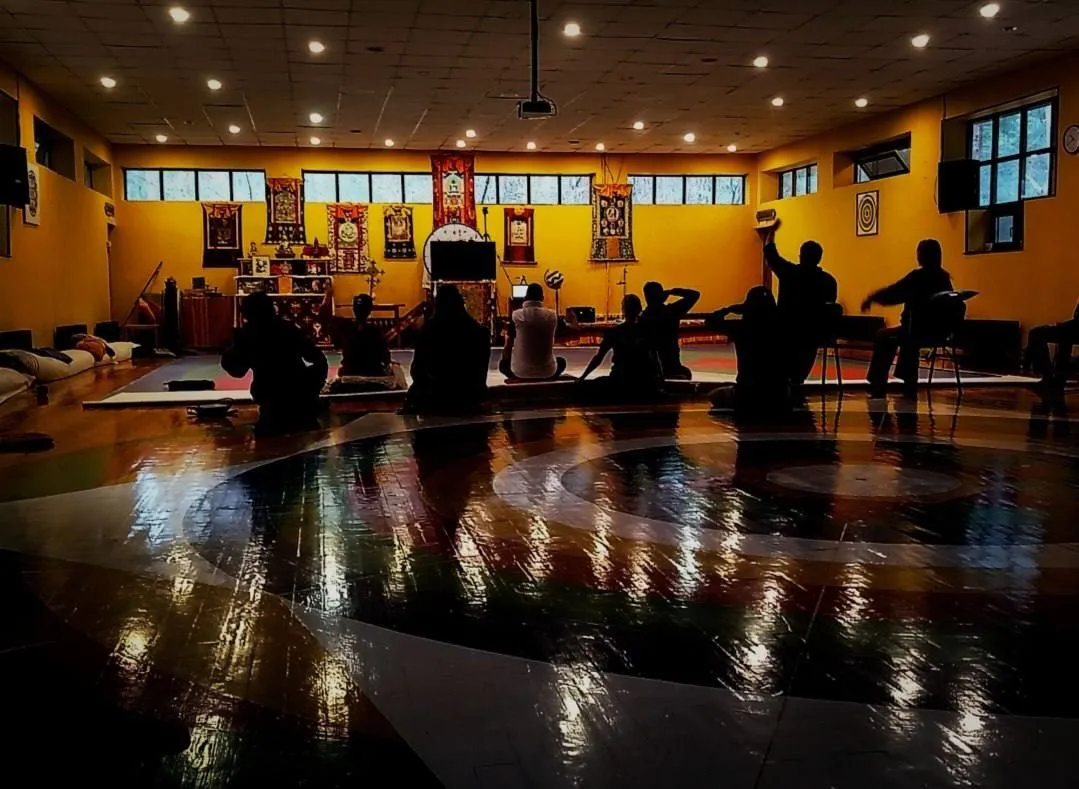
“My circumstances are such that I can come to the gar every week for 3–4 days. This is mainly related to my Vajra Dance practice. At the gar, where there are mandalas, I can practice as much as my heart desires. Most often—in the gönpa: there’s such amazing light coming in through the windows there. Sometimes, when I dance in the gönpa, I see the light breaking into a spectrum, and then the boundary between the inner and the outer dissolves on its own.”
In fact, when passing by the gönpa, you can almost always hear the sound of the Song of the Vajra, the six syllables, and OM AH HUM. One of the two Earth mandalas is currently undergoing the final stage of restoration.
“And the Dance in the tent has its own unique features,” Snezhana continues. “It’s quite a large space: it holds four mandalas and has a high domed ceiling. On sunny summer days, you can see how the wind rustles the leaves of the trees through it. I feel happy when I dance and see this. Because the tent is large, white and circular, a sense of space arises there spontaneously. Another important place for me is the Stupa, where I do my daily practices. Sometimes we gather there and do collective practices. The main feeling there is one of peace and quiet. This is especially noticeable in the morning hours, when golden light streams through the stained-glass windows.”
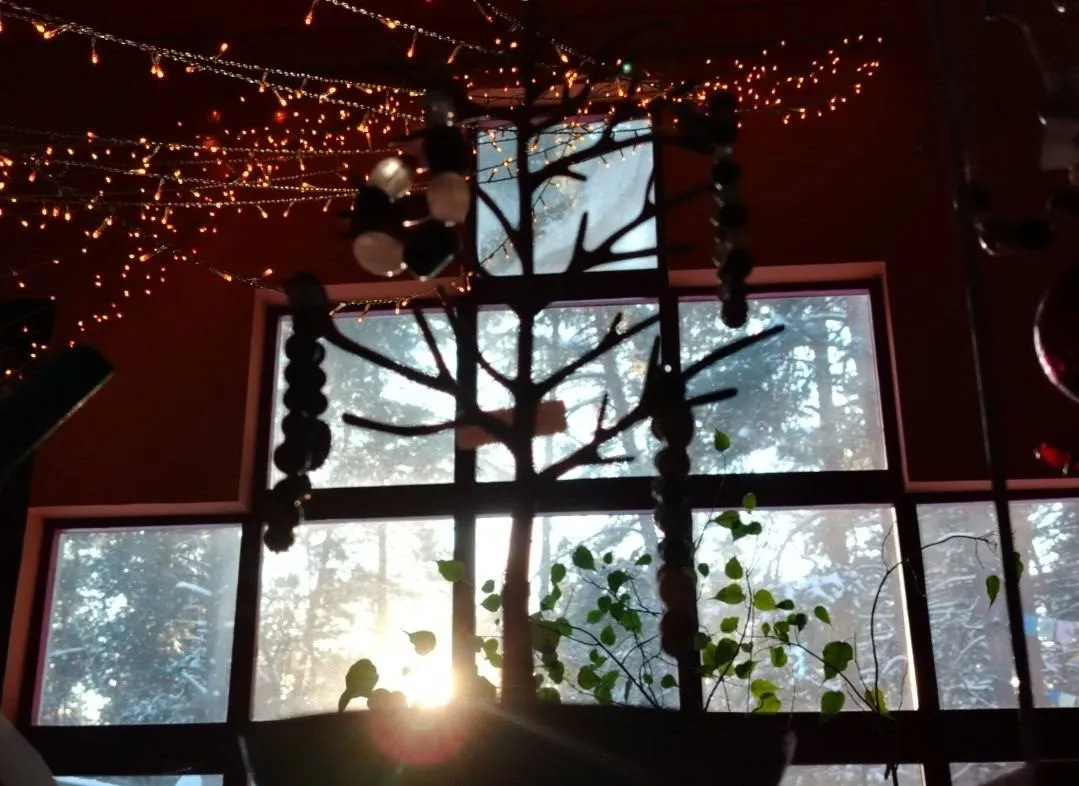
By the way, local television recently filmed a story about the Stupa as part of a report on the “places of power” in Pavlovsky Posad.
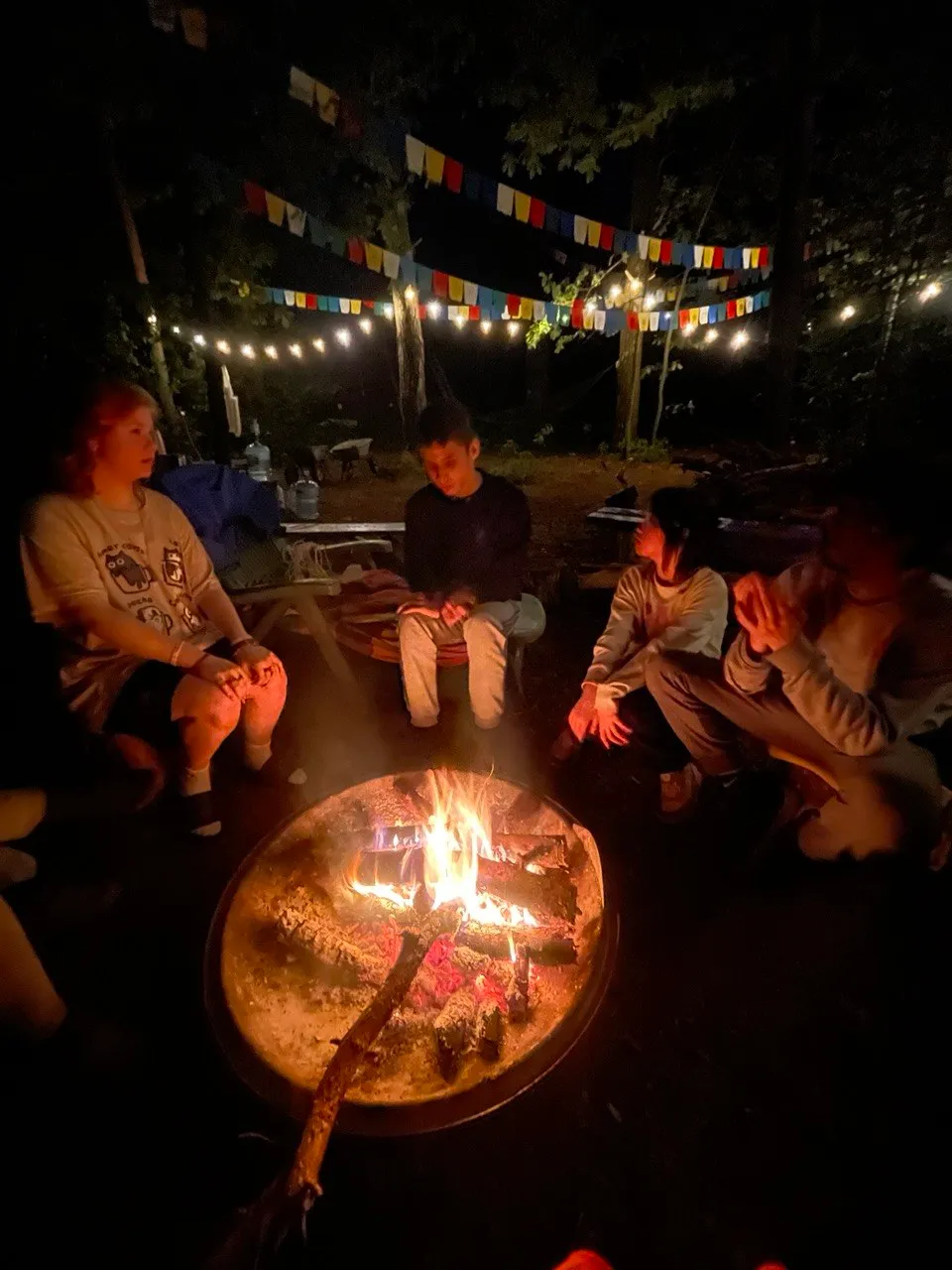
“Sometimes we gather at the gar for holidays: we light a bonfire, put on a fire show, and celebrate practitioners’ birthdays. Actually, everyone you meet at the gar feels like family—vajra relatives, after all.”
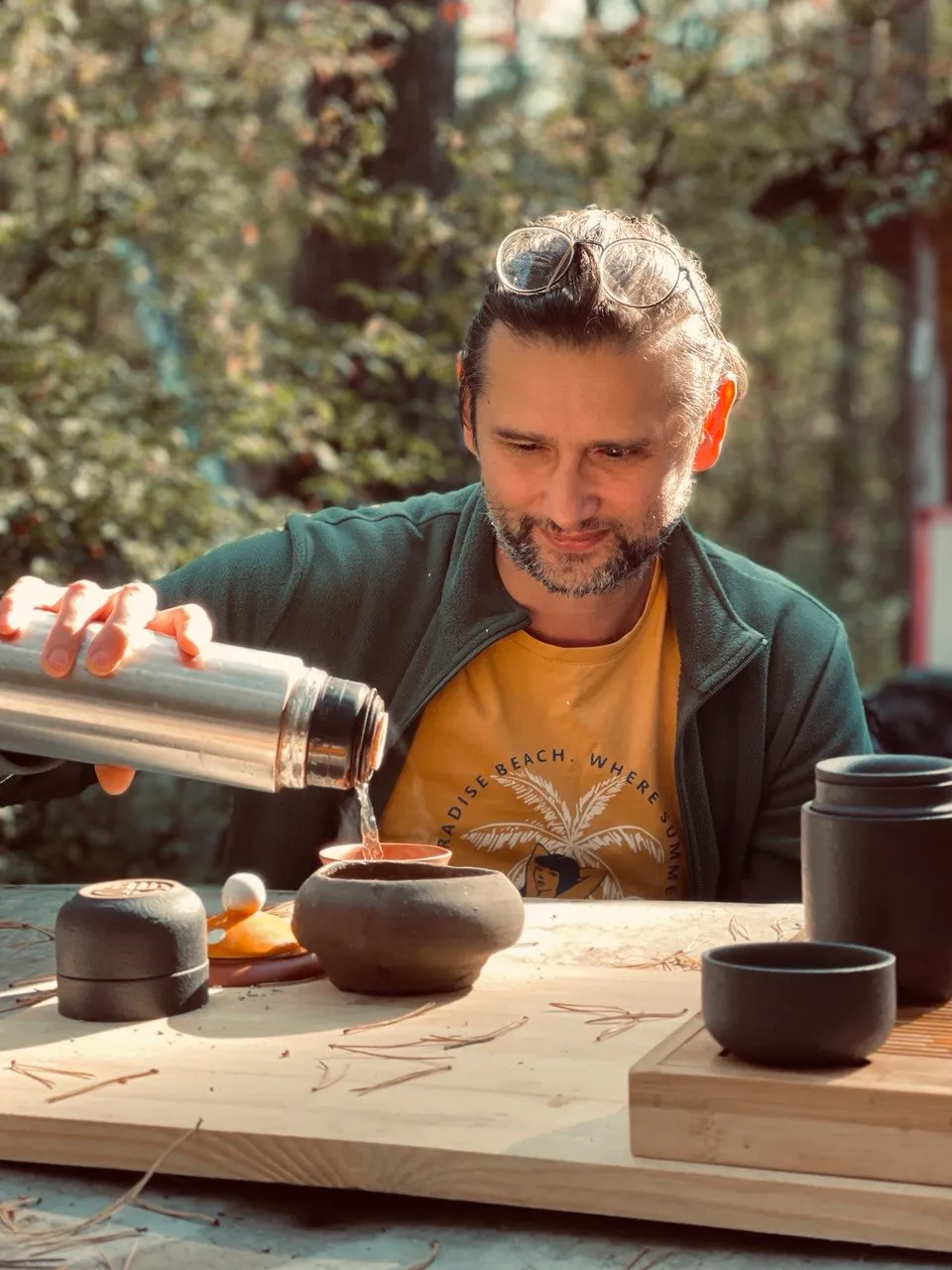
To ensure a comfortable stay and a welcoming atmosphere, a whole team of professionals works at the gar: caretakers, volunteers, and administrators led by the brilliant and beloved gekö Yura Dorogan.
“No matter how you look at it—practically 24/7—it’s naturally necessary to be present in what’s happening at the gar. The very energy of the place and the responsibility to the Community demand involvement in the work, and, as romantic as it may sound, love (the blessing of Rinpoche and all the Buddhas) binds it all together. Right now, our team is beautifying the grounds—cleaning up some areas, replacing others, and creating new spaces. Our current priorities are the camping area, the tent, the lawn near the Stupa, and the flower beds. We are renovating and beautifying the bathhouse area, as well as carrying out cosmetic work on the buildings, guest rooms, and common areas. Preparations for the winter season are already underway, for, as the saying goes, “prepare your sleigh in summer.”
The team requires seamless cooperation, trust, and mutual support. On the one hand, work as a gekö involves supervision; on the other, it involves understanding and respect for each person’s capacity and the encouragement of personal initiative. Therefore, work at Kunsangar is a powerful and profound practice in dealing with limitations and emotional defilements, a training in unity, and not merely a list of household chores.
Epilogue
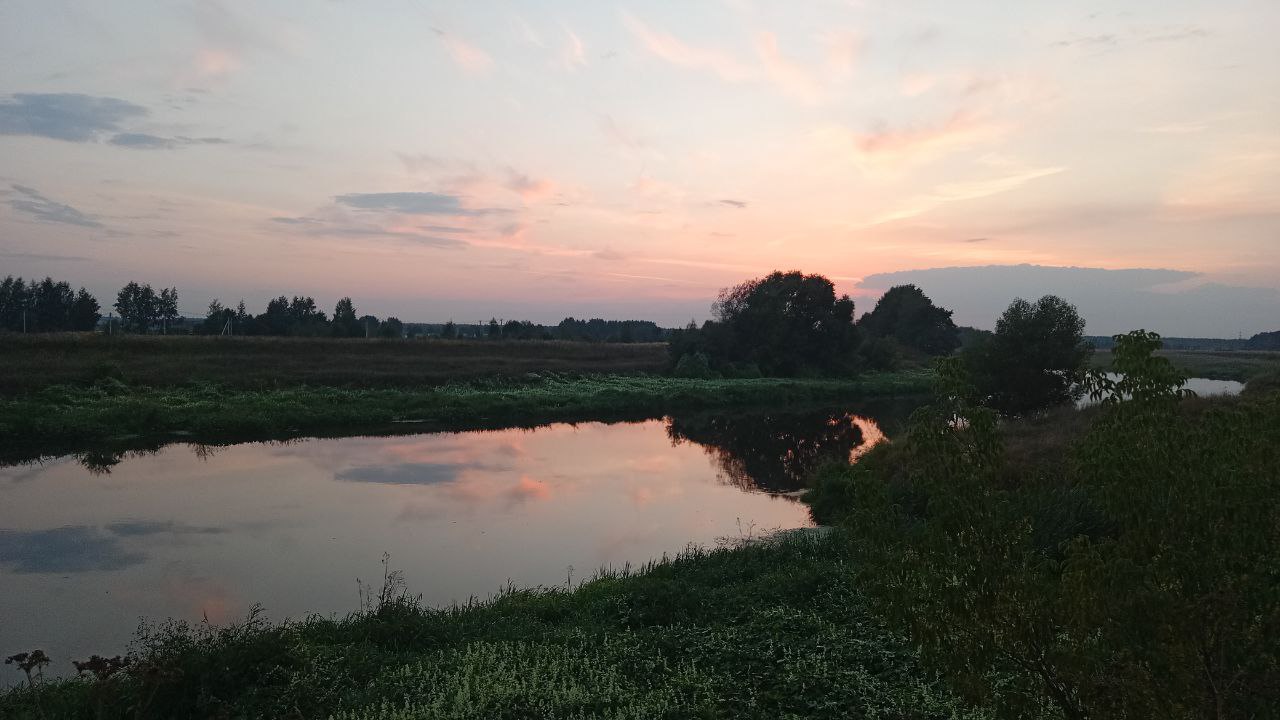
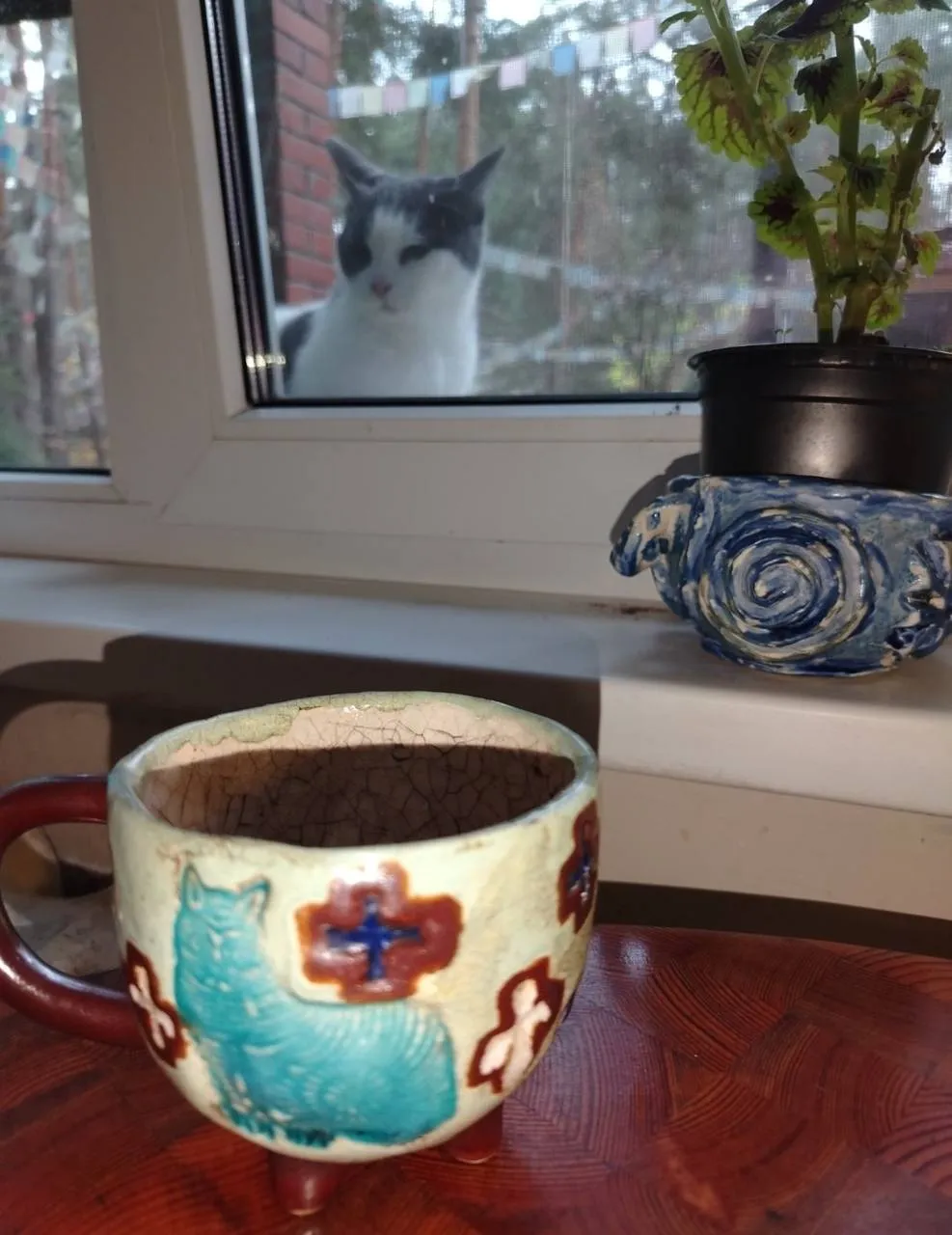
Just a single gaze cast wide into the serene blue expanse, where the pine crowns soar and any thought of oneself dissolves into the stunningly naked, empty, sparkling and inexpressible. Then you walk leisurely in the gentle evening twilight along the path to the building, to have a cup of tea in the communal kitchen, and it seems as though you have unraveled the unfathomable mystery of existence just like that. And by the serene smile and the radiance in the eyes, passengers on the commuter train can recognize a Dzogchen practitioner returning home from Pavlovsky Posad. Perhaps at that moment, a small magical door opens for them as well, leading to a boundless, luminous realm beyond, and they are released from the hustle and bustle of daily life, thoughts of hardships, and the chaos of world news.
Yulia Abrosimova
on behalf of the Gakyil of Kunsangar North